Join Our Volunteer Elections Team
We're pulling out all the stops to ensure voters get out and vote for reproductive freedom candidates up and down the ballot, and we want you with us!
Formerly NARAL Pro-Choice America
We advocate for our right to abortion, birth control, paid parental leave, protection from pregnancy discrimination, and so much more.
We're pulling out all the stops to ensure voters get out and vote for reproductive freedom candidates up and down the ballot, and we want you with us!
Equip yourself with the facts. Here you’ll find explainers, deep dives, and other resources on reproductive freedom.
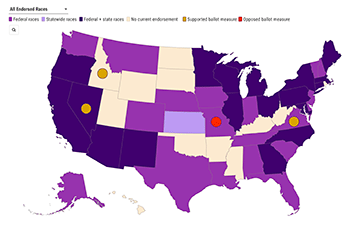
The key races we're invested in between now and November 3 to win back a reproductive freedom majority in the 2026 midterms.
Our electoral efforts connect voters with opportunities to make tangible change to help build a future where everyone is free to make their own decisions about their bodies, lives, and families.
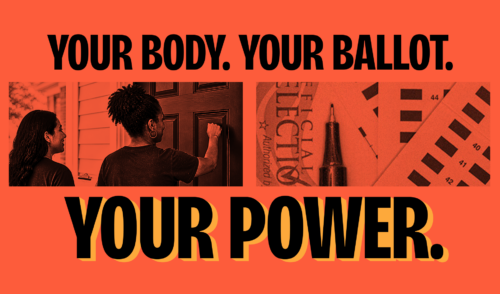
We elect reproductive freedom champions from statehouses to the White House and protect and expand abortion rights and access through ballot measures.
Under a second Trump presidency, attacks on reproductive freedom have been relentless. But we’re tracking and fighting back against this extremist anti-abortion agenda.
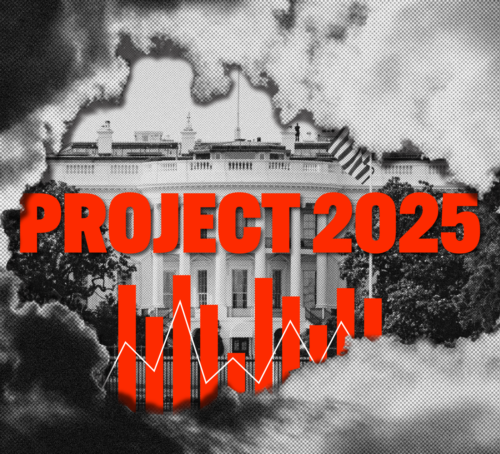
Project 2025 is no longer just a “plan,” it’s a checklist of extreme policies being implemented at an alarming pace.
Mobilize your community. Hold lawmakers accountable. Organize for reproductive freedom!
Help turn values into votes by mobilizing voters and electing reproductive freedom champions up and down the ballot.
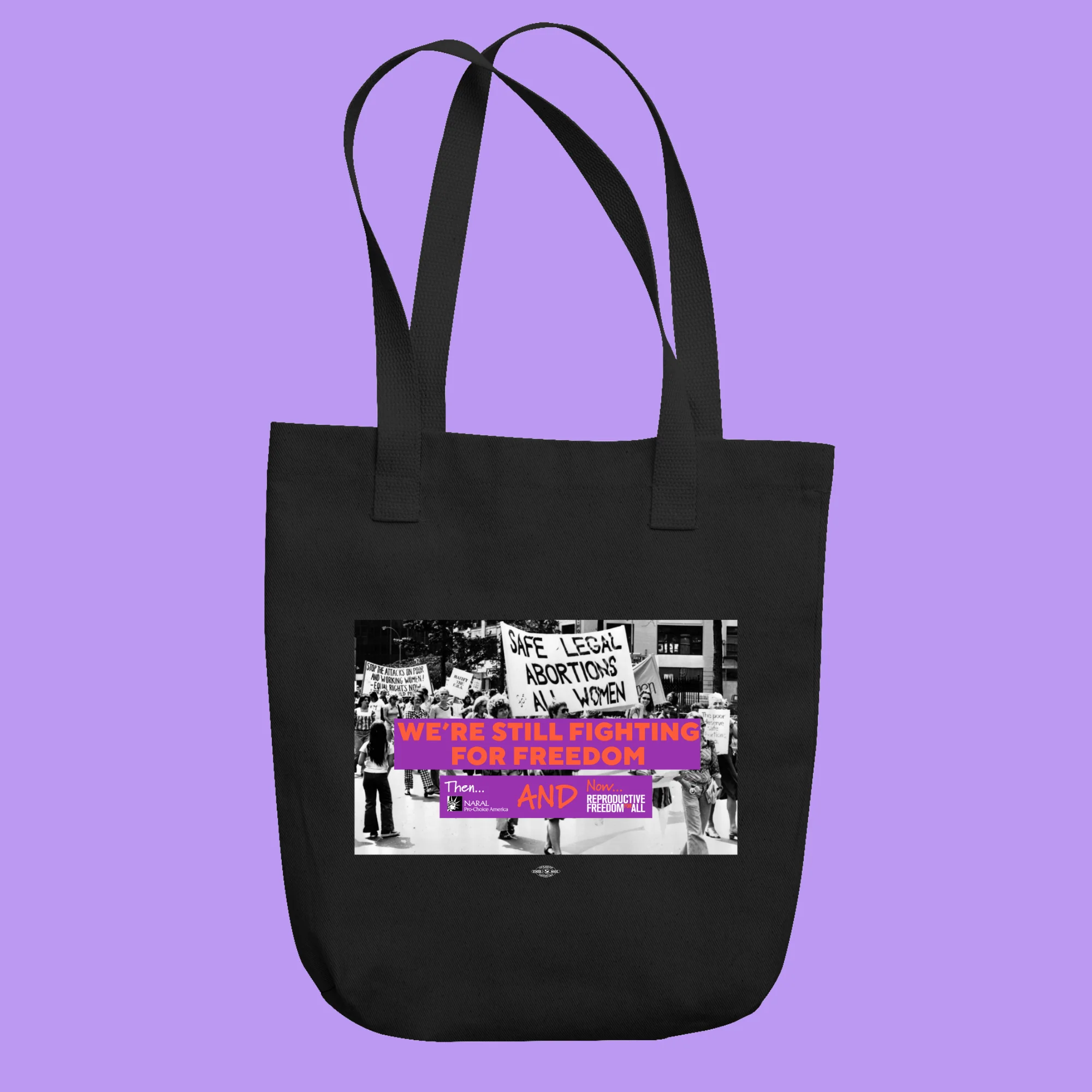
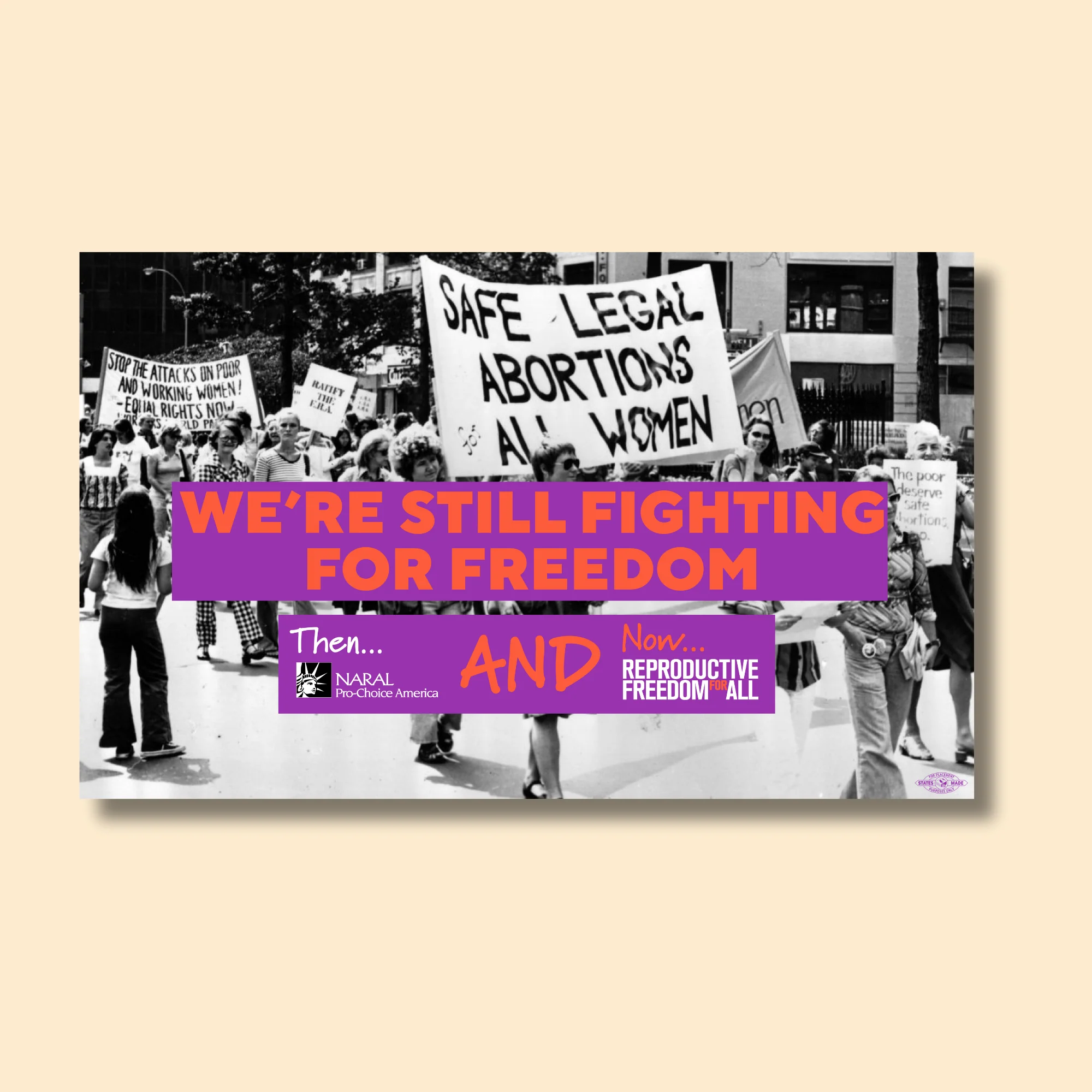
NARAL Pro-Choice America has helped lead the charge for over 50 years in the fight for abortion rights, access to birth control, parental leave policies, and pregnancy protections.
In 1969 a small group of activists launched the National Association for the Repeal of Abortion Laws in Chicago with the mission to end restrictive bans and win the freedom to decide what happens to our bodies.
Since its founding, NARAL has been a driving force in the movement for abortion rights—combining lawmaker advocacy, grassroots mobilization, and electoral organizing to protect our freedoms.
By 1973, Roe and the right to abortion became the law of the land—and NARAL immediately rebranded as the National Abortion Rights Action League, signaling a new era: lobbying, organizing, and defending abortion rights nationwide.
When Congress passed the Hyde Amendment to ban Medicaid coverage of abortion, it stripped low-income people of access to safe medical care and the ability to make decisions about their bodies and futures. NARAL organized one of the largest mail-in advocacy mobilizations in congressional history. NARAL’s Foundation and Federal Political Action Committee were founded shortly thereafter.
In response to the Supreme Court’s announcement that it would hear Webster v.
Reproductive Health Services in 1989, a case that threatened the protections of Roe, NARAL developed its “Who Decides?” message and co-sponsored one of the largest abortion rights demonstrations ever held in our country. An estimated 500,000 Americans marched on Washington, D.C. in support of abortion rights.
In response to Planned Parenthood v. Casey, a 1992 Supreme Court decision that rolled back constitutional protections for abortion , NARAL organized the March for Women’s Lives, drawing over 750,000 people to Washington, D.C.
Through organizing, lobbying, public education, and electoral advocacy, NARAL helped defeat major threats, advance federal protections such as the Freedom of Access to Clinic Entrances (FACE) Act and the Family and Medical Leave Act, and build a broad grassroots movement committed to reproductive freedom.
NARAL also played a significant role in national policy debates, including efforts to safeguard reproductive health coverage in the Affordable Care Act and expose deceptive practices that mislead people seeking care.
In June 2022, the Supreme Court upheld Mississippi’s 15-week abortion ban in Dobbs v. Jackson Women’s Health Organization, overturning Roe v. Wade and ending the constitutional right to abortion in the United States as we know it.
This decision activated millions around the country to fight back and NARAL launched the Fight Back for Freedom campaign to harness the momentum of this moment and hold anti-abortion lawmakers accountable.
Today, the organization continues to organize and mobilize 4 million members to fight for access to abortion, birth control, paid parental leave, and protections from pregnancy discrimination.