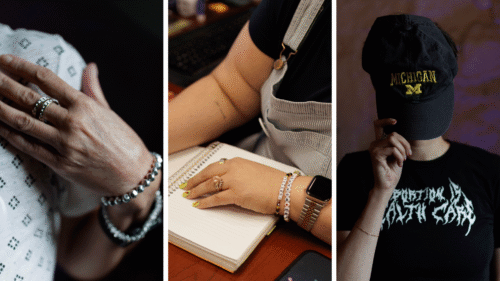
Share Your Story
We want to hear from you. Your story might be about abortion, birth control, pregnancy or miscarriage care, or another experience.
Formerly NARAL Pro-Choice America
We advocate for our right to abortion, birth control, paid parental leave, protection from pregnancy discrimination, and so much more.
We want to hear from you. Your story might be about abortion, birth control, pregnancy or miscarriage care, or another experience.
Equip yourself with the facts. Here you’ll find explainers, deep dives, and other resources on reproductive freedom.
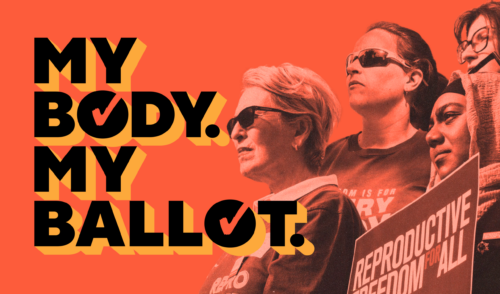
This election is personal and we're pulling out all the stops to elect repro freedom champions. Learn more and join the movement.
Our electoral efforts connect voters with opportunities to make tangible change to help build a future where everyone is free to make their own decisions about their bodies, lives, and families.
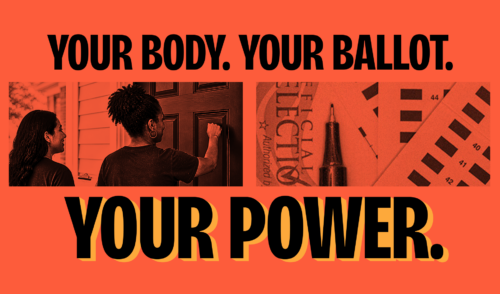
We elect reproductive freedom champions from statehouses to the White House and protect and expand abortion rights and access through ballot measures.
Under a second Trump presidency, attacks on reproductive freedom have been relentless. But we’re tracking and fighting back against this extremist anti-abortion agenda.

Project 2025 is no longer just a “plan,” it’s a checklist of extreme policies being implemented at an alarming pace.
Mobilize your community. Hold lawmakers accountable. Organize for reproductive freedom!
Help turn values into votes by mobilizing voters and electing reproductive freedom champions up and down the ballot.
Activism 101 Toplines
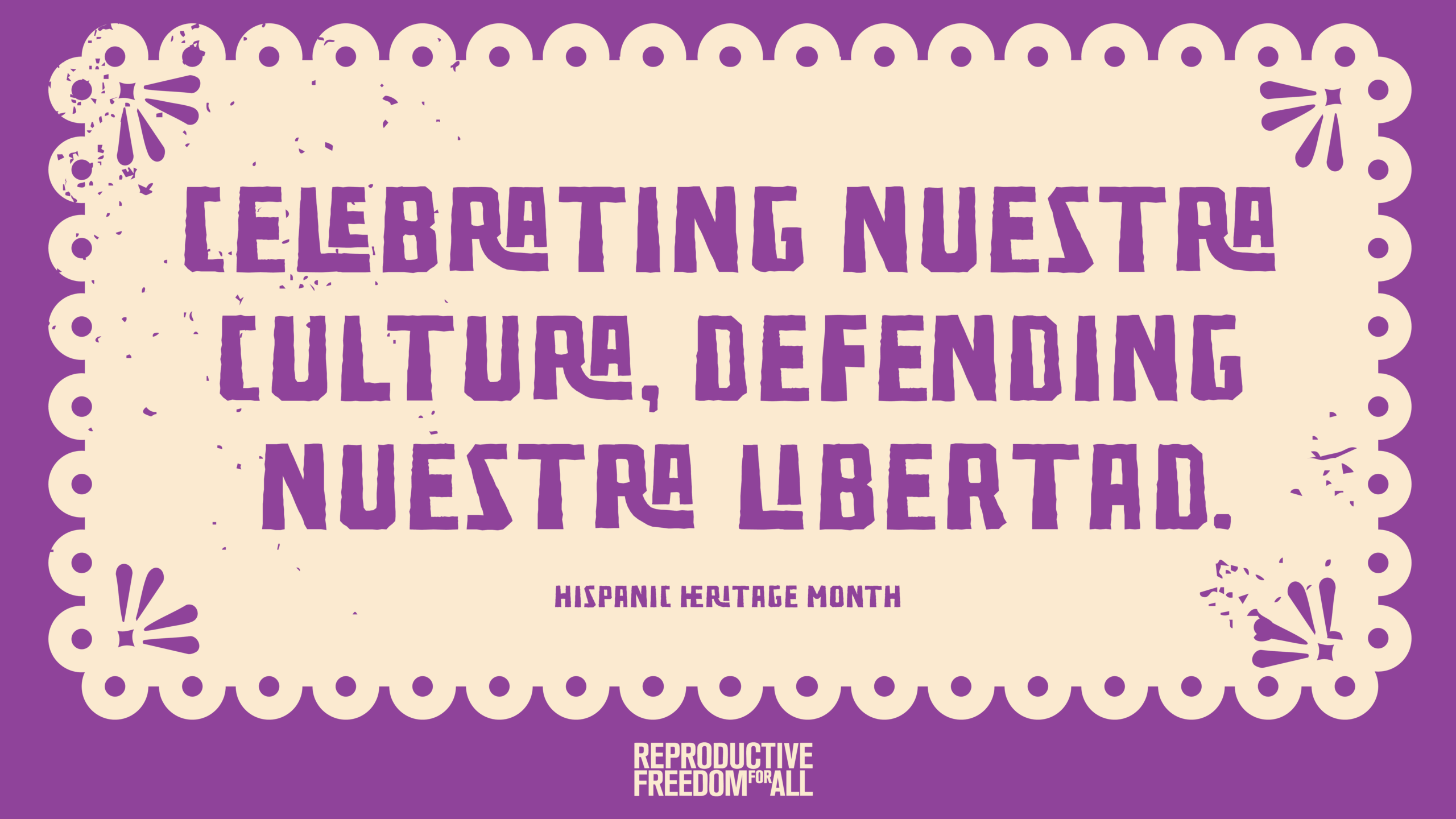
National Hispanic Heritage Month is a celebration of the traditions, resilience, and contributions of Hispanic and Latine communities. From the rhythms of music and dance to the power of organizing for justice, Hispanic heritage is woven into the very fabric of America.
But honoring this heritage means more than remembering history—it means confronting the challenges Hispanic communities face today, especially when it comes to reproductive freedom.
Across the country, too many Hispanic families face barriers to the care and choices they deserve. Language access, immigration status, income inequality, and systemic discrimination create real obstacles to accessing reproductive health services, from contraception to abortion care.
These barriers are compounded in states where restrictive abortion bans and underfunded health systems already limit access. For many, the result is delayed care, higher costs, and fewer options for making personal decisions about their bodies and their families.
A report from the National Latina Institute for Reproductive Justice and the Center for Law and Social Policy found that immigrants—especially those who are undocumented or in mixed-status families—are particularly vulnerable to the harmful impacts of abortion bans and criminalization.
According to the National Women’s Law Center, nearly 4 million Latinas of reproductive age live in abortion care deserts, and more than 300,000 live in pregnancy care deserts—places where the basic health services they need are simply out of reach.
The National Partnership for Women & Families confirmed what so many already know: the Supreme Court’s decision to overturn Roe v. Wade has devastated communities—and Latinas have borne the brunt of its impact.
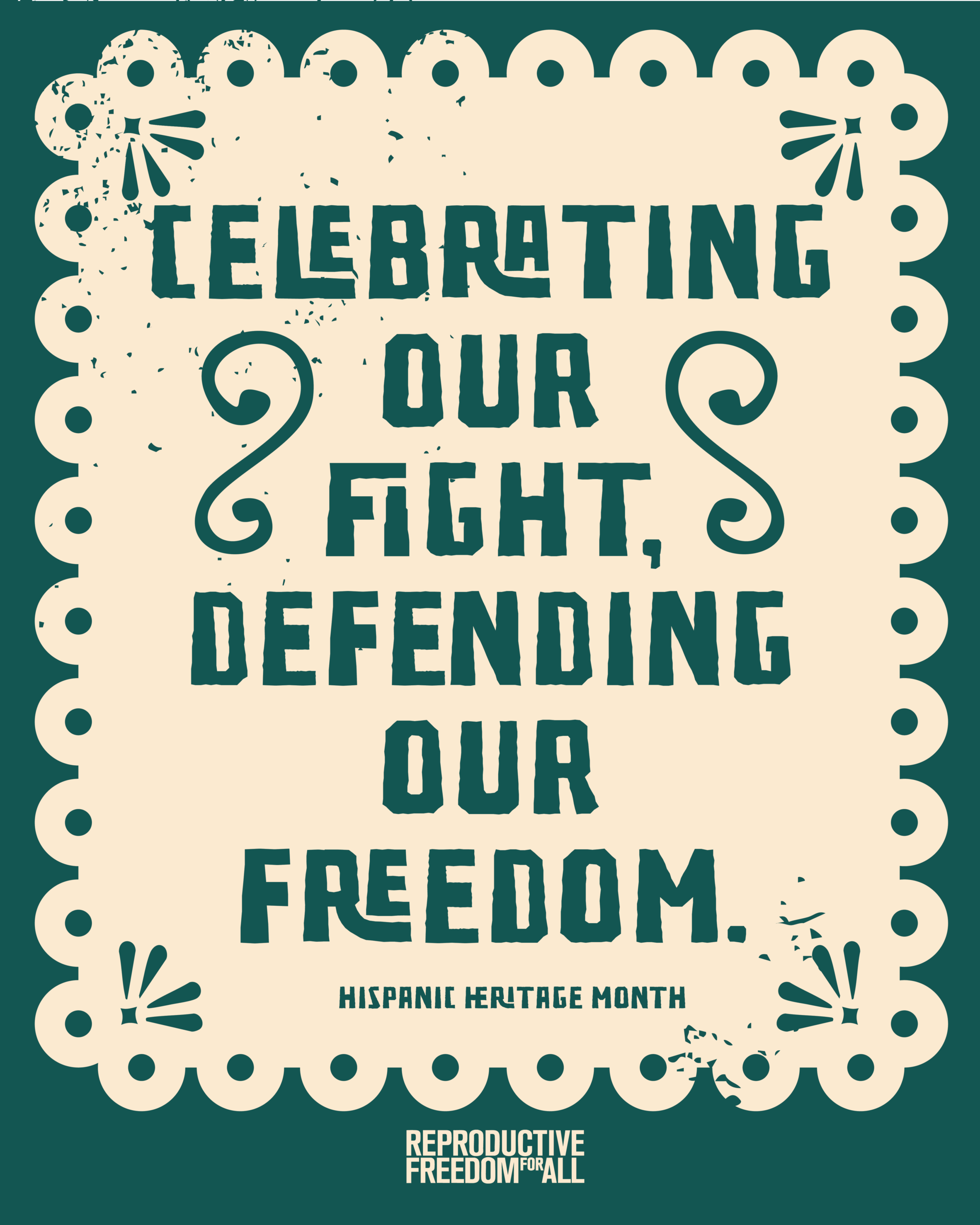
This month, we honor the legacy of Rosie Jiménez, the first woman known to have died due to the Hyde Amendment’s discriminatory ban on abortion coverage for Medicaid recipients.
We also remember Josseli Barnica, a 22-year-old immigrant from Honduras who died in Texas in 2022 after being denied timely miscarriage care under the state’s restrictive abortion laws. Her story underscores the devastating and dangerous consequences of abortion bans on emergency pregnancy care.
These women—and countless others whose names we may never know—remind us that reproductive freedom is not theoretical. It’s about life, dignity, and the right to decide our own futures.
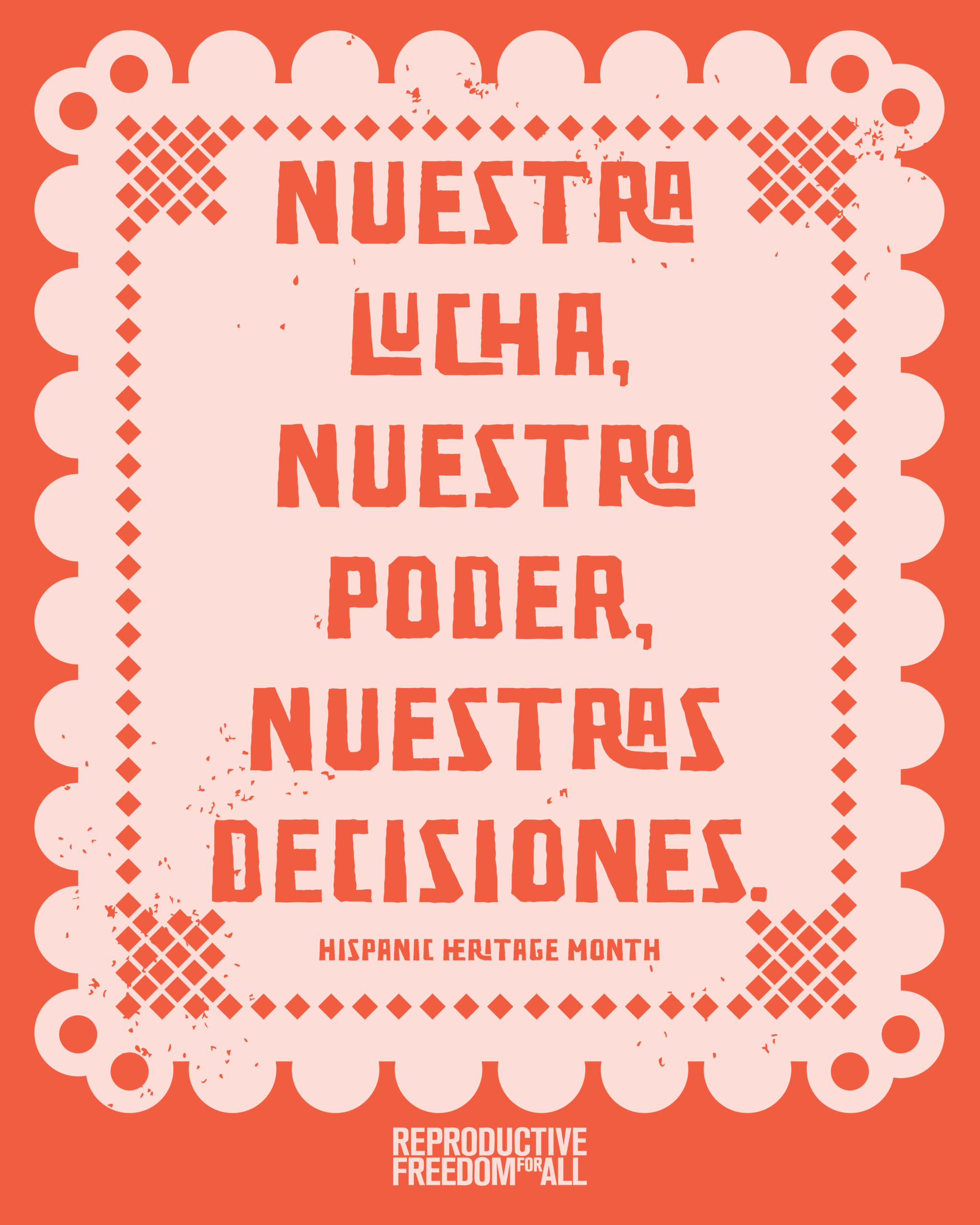
To truly honor Hispanic heritage, we must fight for a future where every person—regardless of where they were born, the language they speak, or the zip code they live in—has the freedom to make personal decisions about their body, their health, and their family.
Reproductive freedom is not separate from Hispanic heritage—it is part of it. Freedom, dignity, and justice are values carried across generations, across borders, and across communities.
This National Hispanic Heritage Month, we are holding space for stories—stories of resilience, of struggle, of joy, and of the fight for reproductive freedom.
Join our storytelling event to hear and share the lived experiences of Hispanic communities, and to commit to building a future where reproductive freedom belongs to all of us.
Repro Download Activism 101
Repro Download Activism 101
Repro Download Activism 101