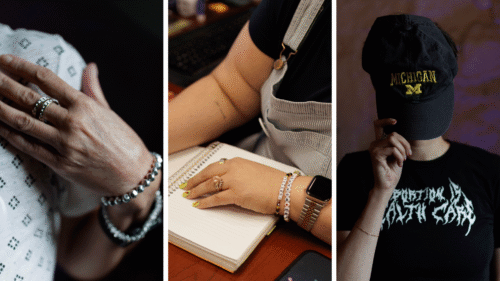
Share Your Story
We want to hear from you. Your story might be about abortion, birth control, pregnancy or miscarriage care, or another experience.
Formerly NARAL Pro-Choice America
We advocate for our right to abortion, birth control, paid parental leave, protection from pregnancy discrimination, and so much more.
We want to hear from you. Your story might be about abortion, birth control, pregnancy or miscarriage care, or another experience.
Equip yourself with the facts. Here you’ll find explainers, deep dives, and other resources on reproductive freedom.
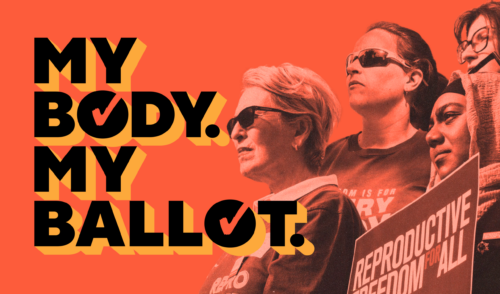
This election is personal and we're pulling out all the stops to elect repro freedom champions. Learn more and join the movement.
Our electoral efforts connect voters with opportunities to make tangible change to help build a future where everyone is free to make their own decisions about their bodies, lives, and families.
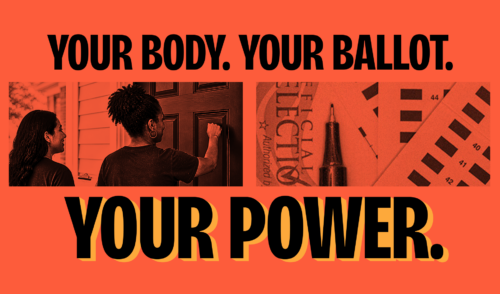
We elect reproductive freedom champions from statehouses to the White House and protect and expand abortion rights and access through ballot measures.
Under a second Trump presidency, attacks on reproductive freedom have been relentless. But we’re tracking and fighting back against this extremist anti-abortion agenda.

Project 2025 is no longer just a “plan,” it’s a checklist of extreme policies being implemented at an alarming pace.
Mobilize your community. Hold lawmakers accountable. Organize for reproductive freedom!
Help turn values into votes by mobilizing voters and electing reproductive freedom champions up and down the ballot.
Activism 101 Explainers
By then, the loss had already reshaped how I understood my body, my health, and what it meant to navigate reproductive care in a system that largely ignores the pains that Black women experience.
When I was finally diagnosed, I realized how little information was available. Most of what I heard boiled down to “just lose weight,” while the hormonal realities and challenges of starting a family were ignored. The delayed diagnosis left me without the tools to make informed choices about my health and future.
My symptoms and pain were dismissed for years.
It wasn’t until I forced the issue and paid out of pocket for tests that doctors acknowledged what I had been saying all along—that large cysts were causing me significant pain. That experience made clear how often patients, especially women of color, have to push harder just to be believed.
I’ve felt afraid of becoming pregnant, knowing it might be considered high risk—and even more afraid that I wouldn’t get the care or treatment I needed if complications arose.
During my miscarriage, I was alone. I didn’t know what questions to ask. No one gave me information. I was just handed medication in the hospital. That moment revealed how desperately we need comprehensive reproductive care and support systems that don’t leave people to navigate the most painful moments of their lives without guidance.
It made me realize I need to take more control, ask harder questions, and advocate for myself every step of the way.
When I looked for information about PCOS, I didn’t see myself reflected in the stories or resources. The reproductive health conversation did not include people like me. In fact, PCOS often feels largely ignored in advocacy spaces.
If reproductive freedom is about ensuring every person has the right to make decisions about their own body, then conditions like PCOS must be part of the conversation. People deserve agency over their health, and PCOS is one of many conditions that show why that matters.
For me, support mostly came from Google and social media. I didn’t have doctors, lawmakers, or institutions centering my needs. That’s why I wish decision-makers understood that PCOS isn’t just an abstract diagnosis—it impacts our daily lives, our choices, our fertility, and our dignity.
Reproductive freedom organizations can help by amplifying these stories, pushing for better care, and making sure people living with PCOS are part of the fight for health care justice.
My journey has fueled my commitment to reproductive rights and health care access for all—because if I had to fight this hard just to be heard, I know others are facing the same struggle.
During PCOS Awareness Month, my message is simple: reproductive freedom must include people with PCOS. Our stories matter. Our health matters. And our freedom to make informed choices about our bodies must be protected.

Get Involved
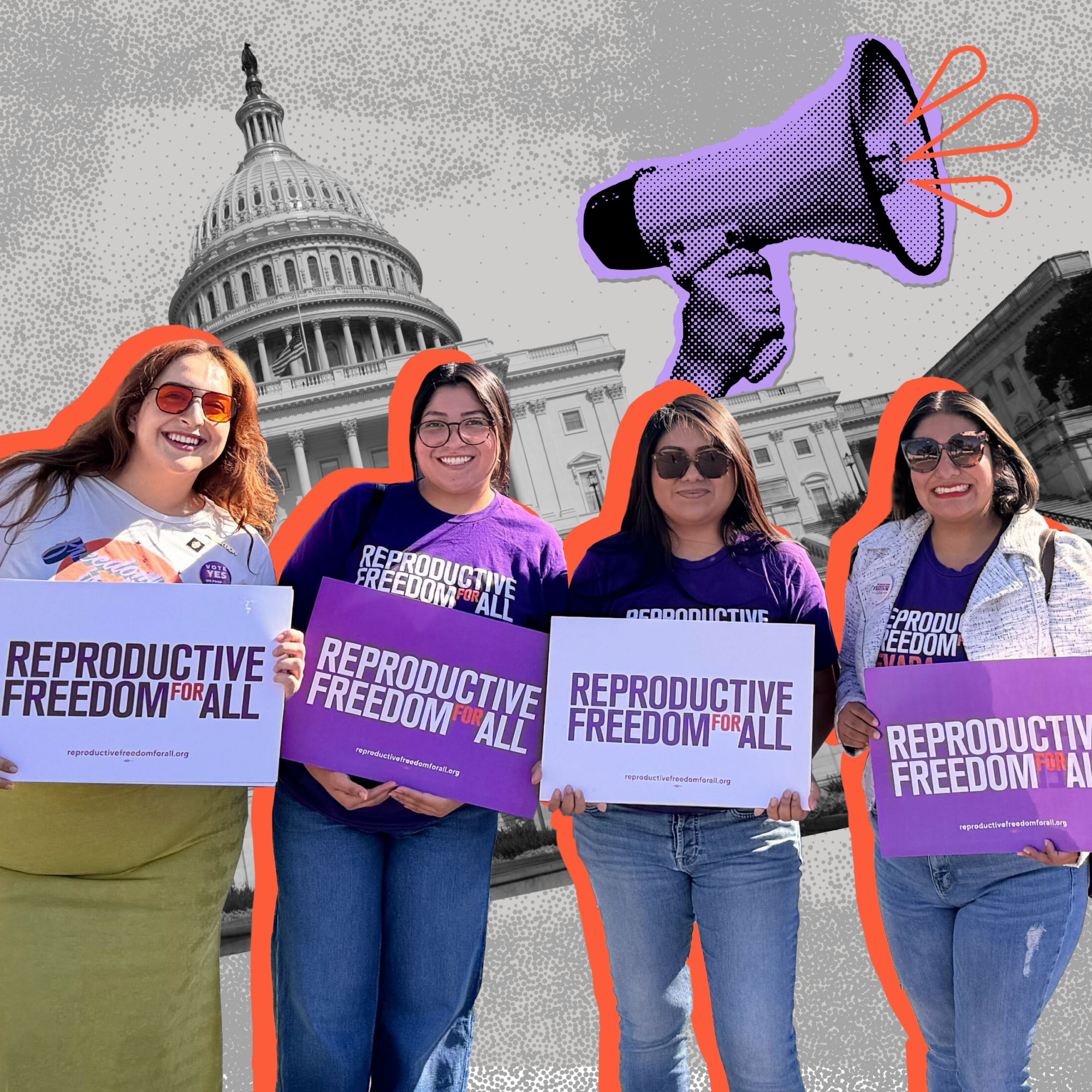
Reproductive Freedom for All is made up of members across the country who believe that everybody should be free to control their own bodies and lives—and we want you to be a part of it.
Subscribe to be one of the first to receive updates on the state of reproductive freedom and opportunities to take action.
Repro Download Activism 101
Repro Download Activism 101
Repro Download Activism 101