
Join Our Volunteer Elections Team
We're pulling out all the stops to ensure voters get out and vote for reproductive freedom candidates up and down the ballot, and we want you with us!
Formerly NARAL Pro-Choice America
We advocate for our right to abortion, birth control, paid parental leave, protection from pregnancy discrimination, and so much more.
We're pulling out all the stops to ensure voters get out and vote for reproductive freedom candidates up and down the ballot, and we want you with us!
Equip yourself with the facts. Here you’ll find explainers, deep dives, and other resources on reproductive freedom.
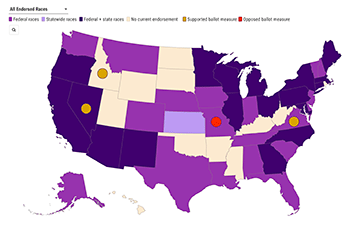
The key races we're invested in between now and November 3 to win back a reproductive freedom majority in the 2026 midterms.
Our electoral efforts connect voters with opportunities to make tangible change to help build a future where everyone is free to make their own decisions about their bodies, lives, and families.
We elect reproductive freedom champions from statehouses to the White House and protect and expand abortion rights and access through ballot measures.
Under a second Trump presidency, attacks on reproductive freedom have been relentless. But we’re tracking and fighting back against this extremist anti-abortion agenda.

Project 2025 is no longer just a “plan,” it’s a checklist of extreme policies being implemented at an alarming pace.
Mobilize your community. Hold lawmakers accountable. Organize for reproductive freedom!
Help turn values into votes by mobilizing voters and electing reproductive freedom champions up and down the ballot.
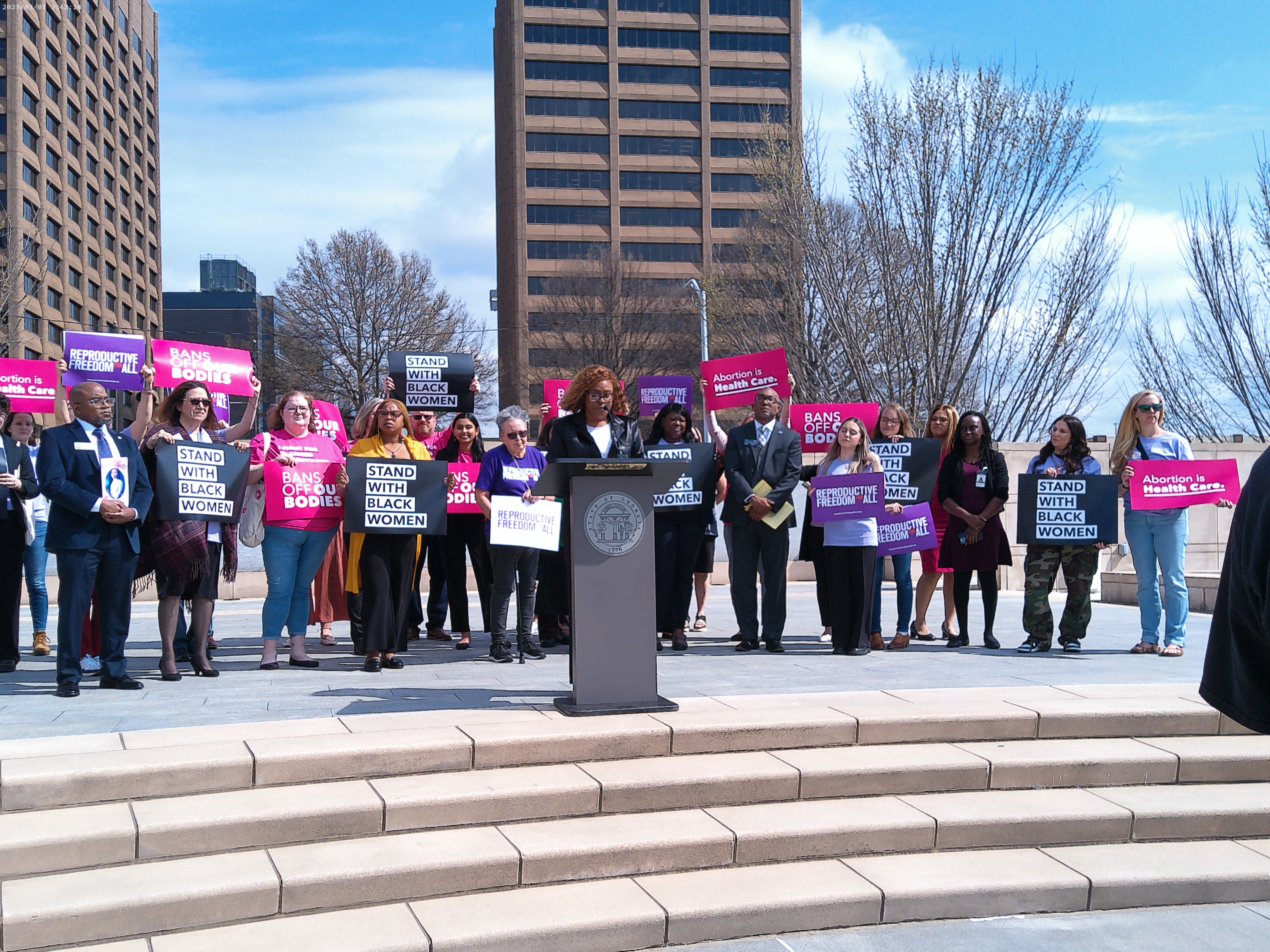
Georgia>State Law and Reproductive Freedom
Explore Abortion Finder and our Resources for Accessing Abortion Care for more information.
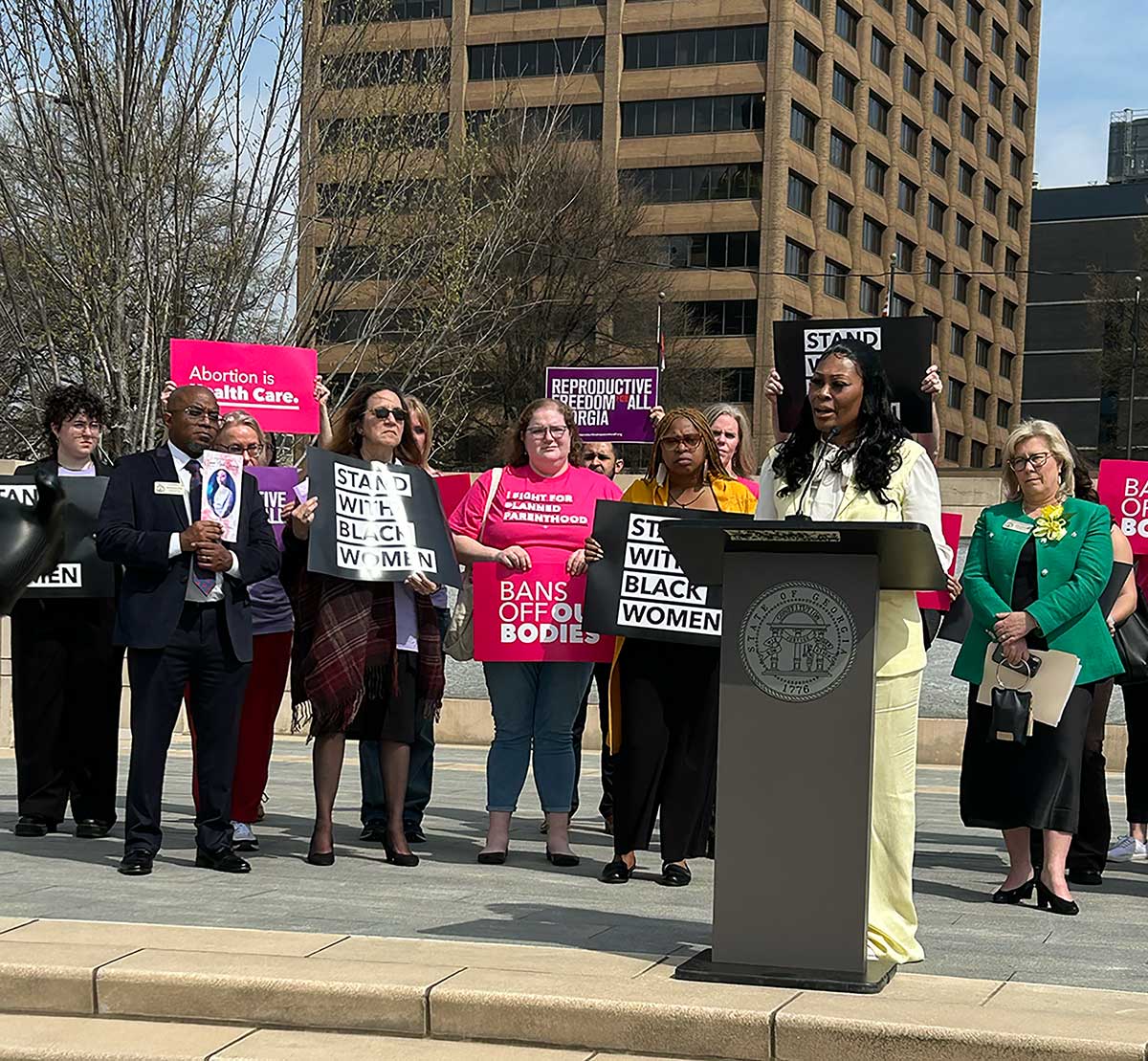
A Battleground for Reproductive Rights
Georgians are suffering due to restrictive abortion bans, forced to navigate dangerous restrictions that endanger their lives and well-being. Black women, who already face higher maternal mortality rates, are disproportionately harmed by these abortion bans. This is unacceptable—let's make a change, together.
Right: Amber Nicole Thurman’s mother, Shanette Williams, courageously sharing her daughter's story.
Since July 20, 2022, Georgia law criminalizes abortion providers. A study from RISE estimates that Georgia’s abortion ban likely blocks nearly 90% of abortions in the state.
Abortion bans led to the preventable deaths of two Georgia mothers—Amber Nicole Thurman and Candy Miller. Their stories underscore the horrific consequences of Georgia’s abortion bans. Researchers warn these known deaths are only the “tip of the iceberg,” with many more near misses, emergency complications, and traumatic delays occurring across the state.
Georgia’s reproductive health landscape is marked by high maternal mortality, provider shortages, restricted insurance access, and systemic inequities.
Those most affected include women, Black, Indigenous, and other people of color, low-income, LGBTQ+ people, immigrants, young people, rural communities, and people with disabilities.
Travel distances: Average driving distance to the nearest abortion clinic increased by 523% since Dobbs. On average, people now have to drive an additional 3 hours and 24 minutes.
Out-of-state travel: North Carolina saw patients from Georgia rise from ~130 per year to over 6,000 in 2023.
Increased burdens: Travel requires time off work, childcare, transportation, and additional expenses, limiting access further.
Barriers to care for people facing pregnancy emergencies, fetal anomalies, or sexual assault who often must travel out of state because hospitals and providers fear legal consequences, even when exceptions appear to apply.
Georgia has one of the highest maternal mortality rates in the United States, with approximately 66.3 deaths per 100,000 live births—more than 2x the national average. Racial and geographic disparities are stark: Black women in rural Georgia die from pregnancy-related causes at roughly double the rate of rural white women, highlighting the impact of systemic racism and lack of access to care.
Pregnancy-related deaths are preventable in many cases, but delayed or inaccessible care contributes significantly to these outcomes. Rural areas face particular challenges due to limited health care infrastructure.
Despite Georgia’s grim maternal mortality rate, its committee in charge of investigating the deaths of pregnant women has been reshaped in ways that raise serious concerns.
Committee dismissed: In November 2024, state officials dismissed all MMRC members shortly after ProPublica’s reporting on Thurman and Miller’s preventable deaths. Officials cited an alleged confidentiality breach.
Members’ names kept secret: State officials won’t say who’s now in charge of the MMRC committee.
No recent report: Georgia has not released a public report since 2023 (covering 2020–2022), limiting insight into how the state’s abortion ban contributes to maternal mortality and allowing anti-abortion legislators and elected officials to avoid accountability.
Georgia faces severe shortages of reproductive health providers, particularly outside metropolitan areas.
Many pregnant people must travel long distances for prenatal care, labor and delivery, or emergency pregnancy care. These shortages contribute to inequities in care and poor maternal outcomes, with rural communities disproportionately affected.
82 of 159 counties have no OB-GYN physician.
65 counties have no pediatrician.
Large portions of the state are designated Primary Care Health Professional Shortage Areas.
As of 2020, 95% of counties had no abortion clinic, affecting 55% of women even before the abortion ban.
Governor Brian Kemp and the Georgia Republicans have failed to expand Medicaid for years. Then in 2025, Republican lawmakers in Congress, including Georgia U.S. Rep. Buddy Carter and U.S. Rep. Rick Allen, knowingly voted to take lifesaving health care away from over 10 million Americans across the country, severely cutting funding for Medicaid and “defunding” Planned Parenthood.
Nearly 20% of reproductive-age women in Georgia are uninsured, one of the highest rates in the country.
Refusal to expand Medicaid under the Affordable Care Act has left more than 400,000 Georgians without health insurance and contributes to the state’s high uninsured rate.
Georgia Medicaid covers abortion only when the pregnant person’s life is at risk or in cases of rape or incest.
ACA marketplace plans may cover abortion care only in extremely limited circumstances, further restricting access.
Governor (Republican)
Does not support reproductive freedom
State Attorney General (Republican)
Does not support reproductive freedom
33 Republicans, 23 Democrats
The chamber majority does not support reproductive freedom.
100 Republicans, 80 Democrats
The chamber majority does not support reproductive freedom.
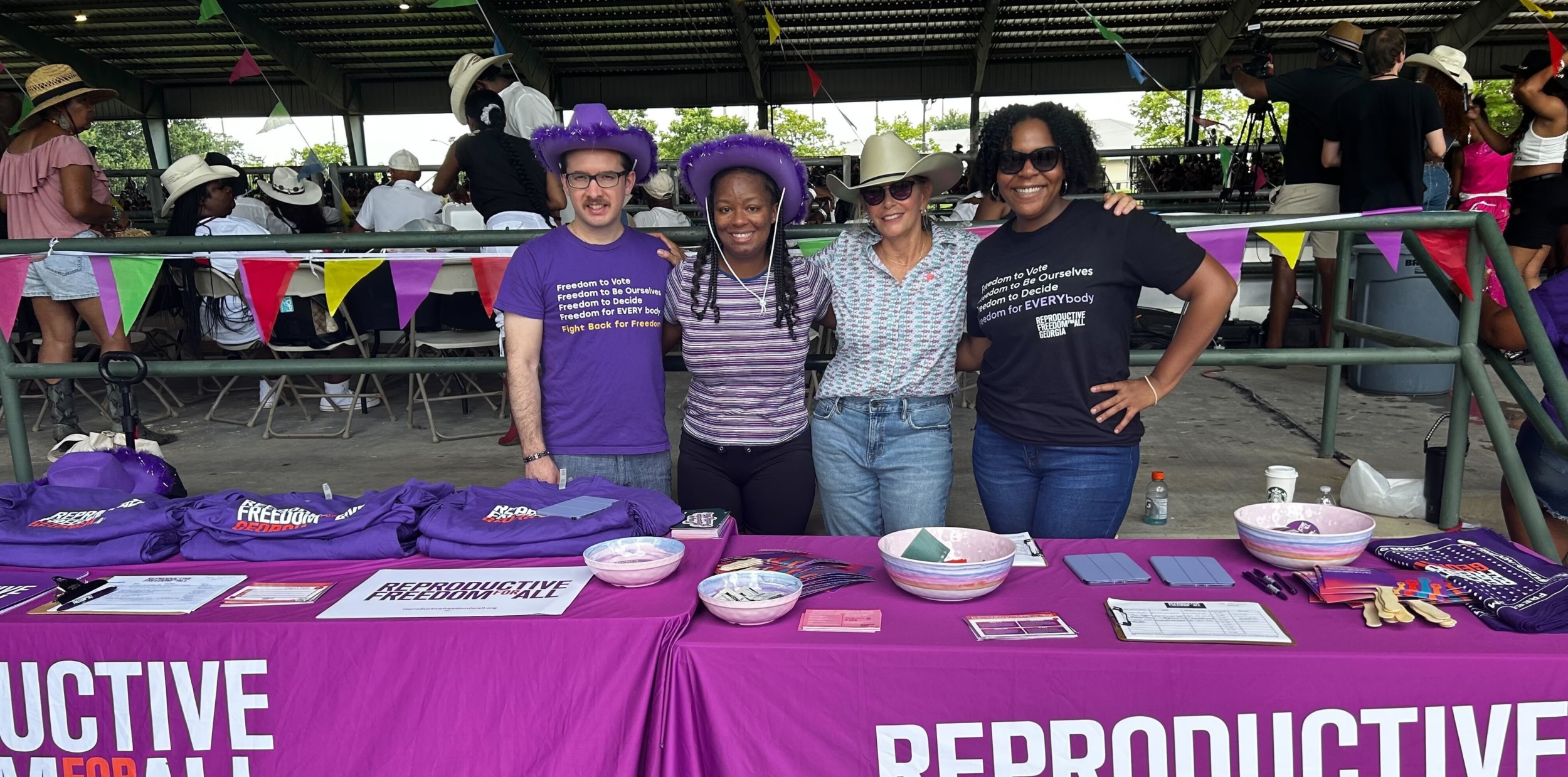
We mobilize Georgians to advance reproductive freedom through political and community organizing.