

Maternal mortality is highest in states with abortion bans.
Restrictions on care don’t save lives—they endanger them.
Formerly NARAL Pro-Choice America
Activism 101 Explainers
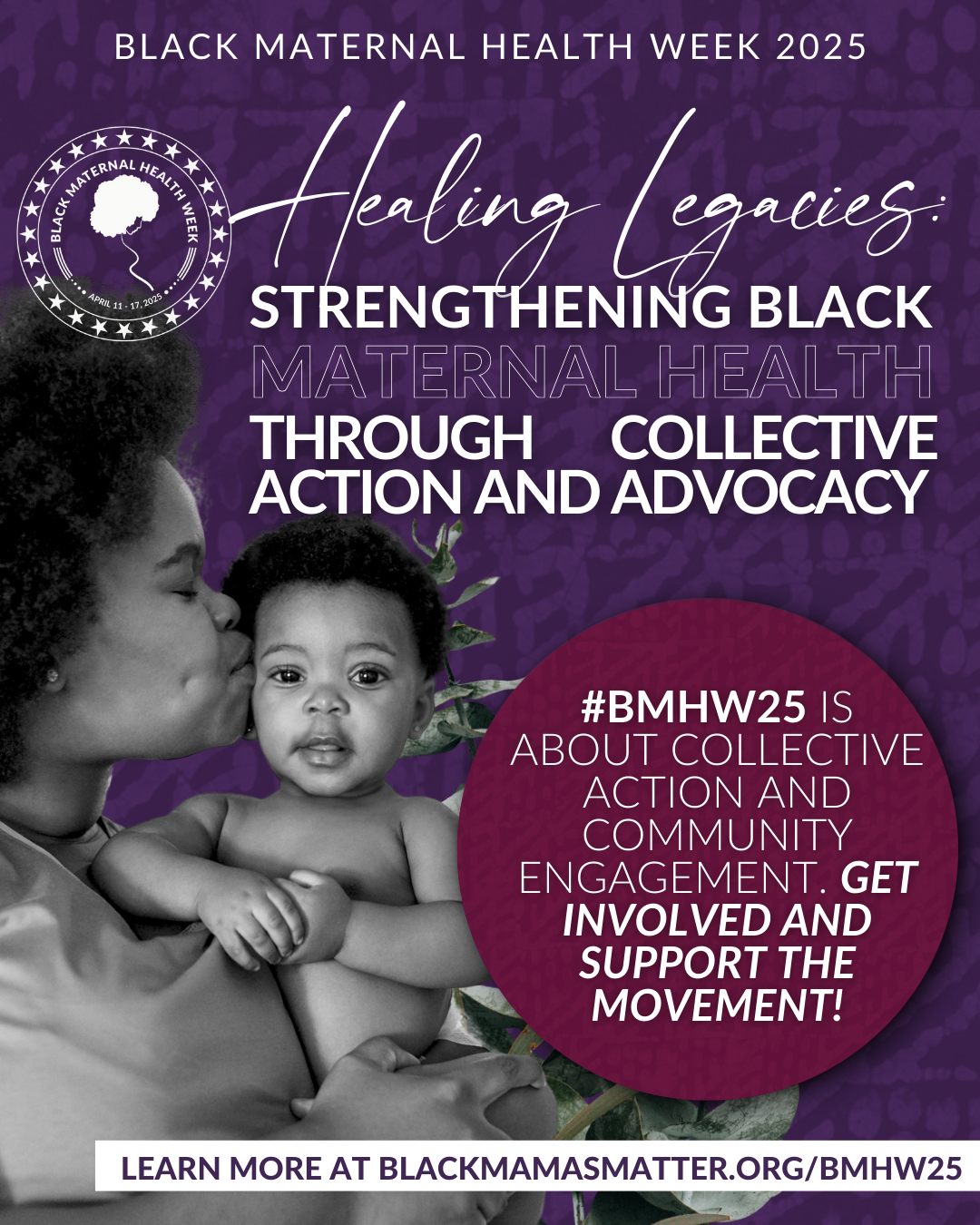
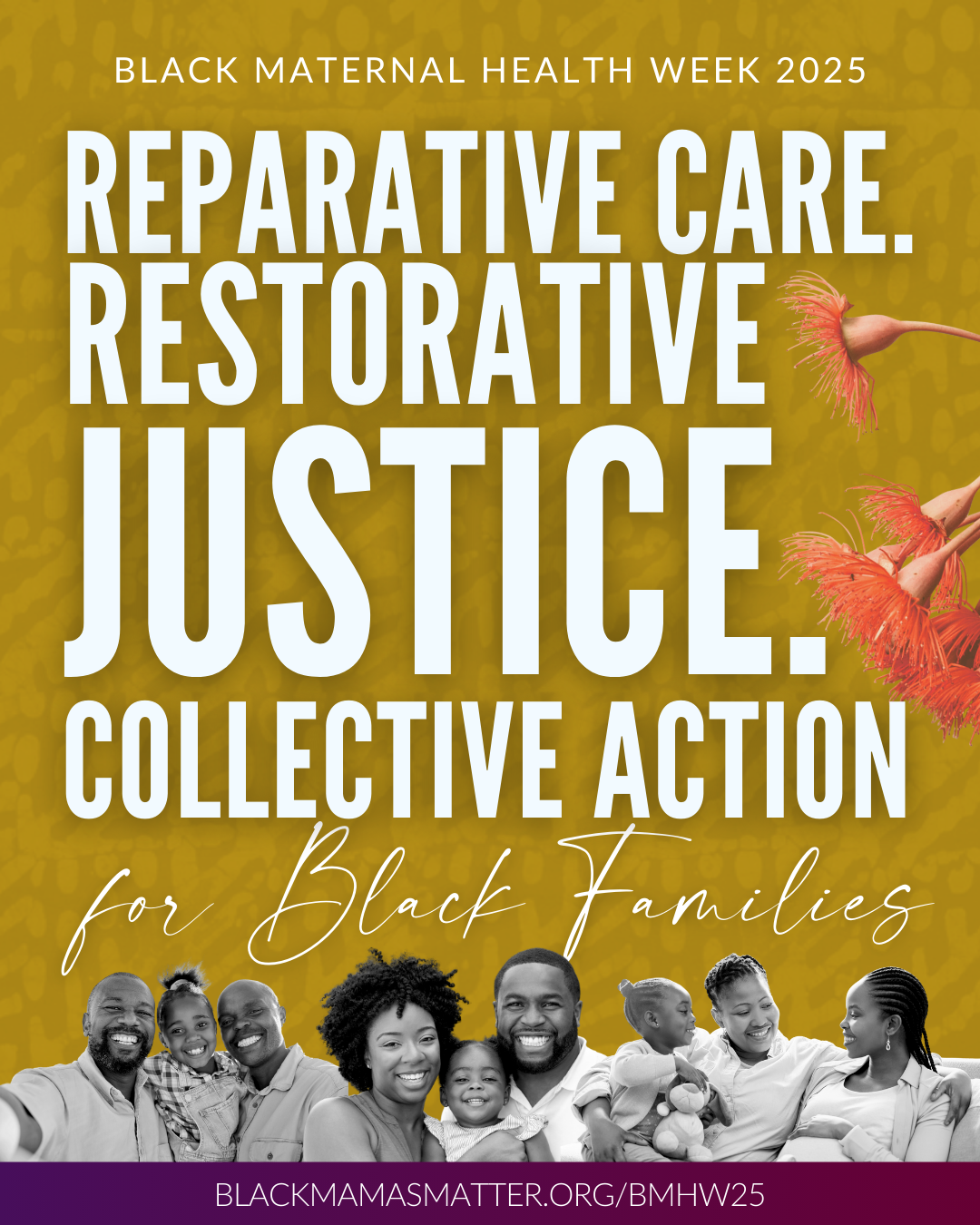
Founded by the Black Mamas Matter Alliance, Black Maternal Health Week (BMHW) centers the values and traditions of the reproductive and birth justice movements. We recognize the Black community in the fight for reproductive freedom, racial justice and birth justice.
Systemic and structural racism is rooted in every facet of our country’s institutions, including reproductive health care and abortion care. As the Trump administration decimates health care access, racial disparities in health outcomes continue to be exacerbated.
The 2025 theme, “Healing Legacies: Strengthening Black Maternal Health Through Collective Action and Advocacy,” honors the past while demanding bold, community-led action today.
At its core, BMHW is about listening to Black Mamas, investing in Black-led solutions, and building a health care system that sees, respects, and serves Black birthing people at every stage—from preconception to postpartum.
Black maternal health isn’t in crisis because of individual choices—it’s in crisis because of systemic injustice.
We have the highest maternal mortality rate of any high-income country—and Black women are dying at 3–4x the rate of white women. These deaths aren’t inevitable; they’re preventable. And bans on abortion and other reproductive health care threaten to make the crisis even worse.
Black communities have long faced immense structural barriers to abortion care and other reproductive health care due to systemic and historical racism. Research indicates that 22% of Black women receive lower quality of care than white women and are subject to discrimination in the health care field.
Black Mamas have always led the fight for justice, including the fight for reproductive freedom. We’re proud to support the work of @BlackMamasMatter to honor that legacy and build a future where health equity and bodily autonomy are a reality.
Maternal health and abortion access are not separate fights—they are the same struggle for bodily autonomy, life-saving care, and reproductive freedom.
Restrictions on care don’t save lives—they endanger them.
The tragic and preventable deaths of Amber Nicole Thurman, Candi Miller, and Porsha Ngumezi illustrate the tragedy of cruel abortion bans.
Further, states with robust Medicaid programs have lower maternal mortality rates. When extremist lawmakers gut it, they’re cutting lives short.
Miscarriages, stillbirths, and self-managed abortions are under legal attack—with Black and Brown communities suffering the harshest penalties while being the people whose lives are most at risk.
More than half of all Black Americans live in the South where bans on abortion are rampant, affecting 6.7 million Black women—that’s a whopping 57% of all Black women of reproductive age.
31 U.S. states are failing to provide basic sexual health and reproductive services. As maternal health deserts spread, care is disappearing for millions.
Meanwhile Trump and his allies are making it worse by imposing restrictions on Title X, slashing funding for clinics that provide birth control, STI testing, cancer screenings, and prenatal care. These cuts hit hardest in low-income and rural communities—places where that care is often the only care.
Instead of fixing the problem, Republican lawmakers dismantled the very body meant to hold the system accountable.
From forced sterilizations to coerced procedures, the U.S. has a violent legacy of controlling Black and Indigenous bodies. Today’s policies echo that past. Black communities are more likely to face barriers due to structural racism in accessing abortion care and other essential reproductive health care. Research indicates that 22% of Black women receive lower quality of care than white women and are subject to discrimination in the health care field.
These issues are all connected, and Black and Brown birthing people suffer the most as a result.
Women of color, including Black women, are more likely to experience economic disadvantages due to historical racism and pay inequity. For many Black women and people working to make ends meet, traveling across states for abortion care is simply out of reach. Finding childcare, paying for gas and expensive hotels, and taking days off from work can be barriers too high to overcome.
Let’s be clear: Trump, his extremist allies, and Republican lawmakers are waging a targeted assault on maternal health. They’re gutting Medicaid, banning abortion, dismantling federal protections—choosing control over care, and oppression over equity.
BMHW25 calls us to build real change through Black-led, community-based solutions. When we invest in Black Mamas, we invest in stronger families, safer communities, and a more just future for all of us.
Through advocacy, policy, and solidarity, we can ensure:
Solving the maternal mortality crisis requires more access to reproductive health care—not less. As the Trump administration and congressional Republicans consider slashing Medicaid to give tax breaks to the wealthiest people in the country, our communities and families are left to pay the price.
This fight isn’t theoretical. It’s personal, it’s urgent—and it demands all of us.
Follow and support Black-led orgs like Black Mamas Matter Alliance and their partners:
Demand they expand Medicaid and protect reproductive freedom. Hold elected officials accountable.
who advocate for birth justice, racial equity, and reproductive freedom.
Share the real stories of Black Mamas whose lives are shaped by these policies—and why change can’t wait.
View this post on Instagram