Join Our Volunteer Elections Team
We're pulling out all the stops to ensure voters get out and vote for reproductive freedom candidates up and down the ballot, and we want you with us!
Formerly NARAL Pro-Choice America
We advocate for our right to abortion, birth control, paid parental leave, protection from pregnancy discrimination, and so much more.
We're pulling out all the stops to ensure voters get out and vote for reproductive freedom candidates up and down the ballot, and we want you with us!
Equip yourself with the facts. Here you’ll find explainers, deep dives, and other resources on reproductive freedom.
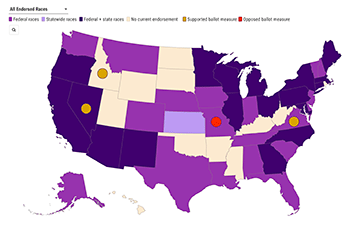
The key races we're invested in between now and November 3 to win back a reproductive freedom majority in the 2026 midterms.
Our electoral efforts connect voters with opportunities to make tangible change to help build a future where everyone is free to make their own decisions about their bodies, lives, and families.
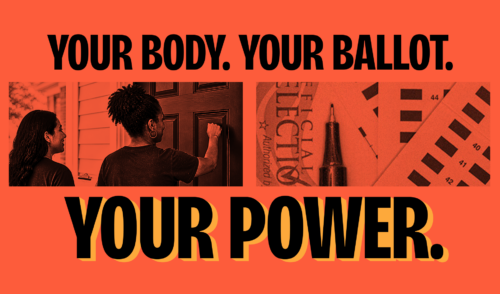
We elect reproductive freedom champions from statehouses to the White House and protect and expand abortion rights and access through ballot measures.
Under a second Trump presidency, attacks on reproductive freedom have been relentless. But we’re tracking and fighting back against this extremist anti-abortion agenda.

Project 2025 is no longer just a “plan,” it’s a checklist of extreme policies being implemented at an alarming pace.
Mobilize your community. Hold lawmakers accountable. Organize for reproductive freedom!
Help turn values into votes by mobilizing voters and electing reproductive freedom champions up and down the ballot.
Reproductive Rights Podcast
A Georgia mother shares what happened when abortion bans delayed emergency pregnancy care.
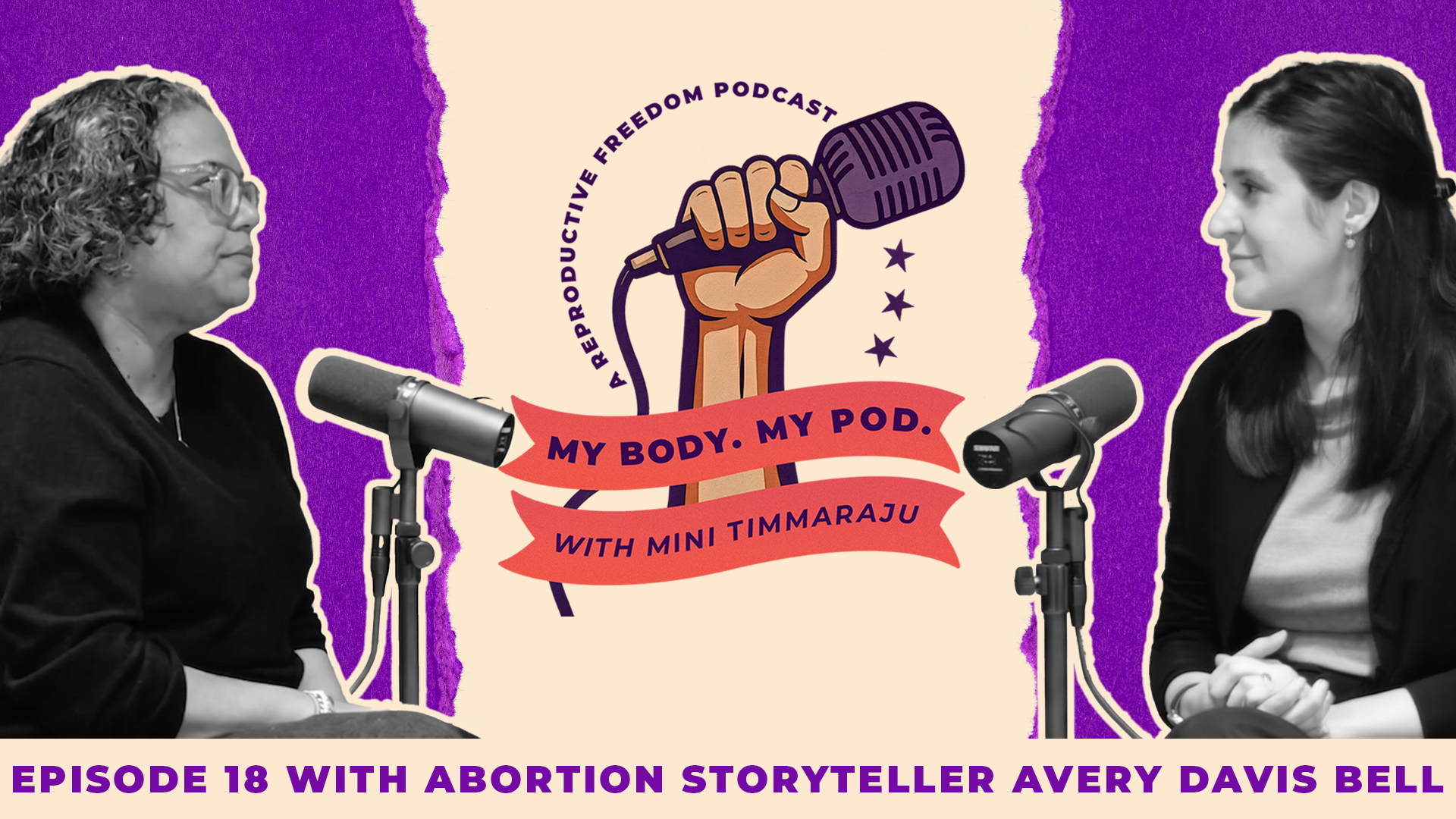
In collaboration with Abortion in America, our latest episode of My Body. My Pod. with Mini Timmaraju features Avery Davis Bell, a Georgia mother and scientist who was forced to wait for emergency abortion care.
Abortion access is not just about whether care is legal. It’s also about whether patients can safely walk through the clinic doors.
At 18 weeks pregnant, Avery’s water broke during a nonviable pregnancy. Even though doctors knew she needed care, legal uncertainty delayed treatment while providers determined whether she was “sick enough” to qualify under Georgia law.
Avery’s story highlights the dangerous reality of abortion ban “exceptions”: politicians claim emergency protections exist, but in practice, doctors are often forced to wait until patients become critically ill before providing care.
Avery had every advantage: early prenatal care, expert medical knowledge, access to a major hospital system, and a strong support network. Her story raises an urgent question: if someone with those resources struggles to receive timely emergency care, what happens to patients facing greater barriers to access?
Stay Connected with Abortion in America
Visit Abortion in America and follow on Instagram, TikTok, and YouTube.
Avery’s experience reflects a broader crisis unfolding across Georgia after the state’s abortion ban took effect in 2022.
Georgia law criminalizes abortion providers, and research estimates the ban blocks nearly 90% of abortions statewide. Georgia law includes narrow exceptions when a pregnant person’s life or health is at risk.
But exceptions are designed to fail—they are dangerously vague, and create fear, confusion, and delays in care. A recent study found that Georgia’s exceptions actually resulted in further harm to patients and providers.
The state also faces major reproductive health care shortages:
Abortion bans led to the preventable deaths of two Georgia mothers—Amber Nicole Thurman and Candy Miller. Their stories underscore the horrific consequences of Georgia’s abortion bans. Researchers warn these known deaths are only the “tip of the iceberg,” with many more near misses, emergency complications, and traumatic delays occurring across the state.
There are in-person and online opportunities to get involved.
Storytelling is crucial to pushing the reproductive freedom movement forward. Help strengthen the movement when you share your story.
We're pulling out all the stops to ensure voters get out and vote for reproductive freedom candidates up and down the ballot, and we need your help to make it happen!
If you need abortion care, there are resources available:
When anti-abortion extremists ban abortion, people don’t just lose access—they face real harm. Patients are navigating dangerous laws and restrictions that endanger their lives and well-being.
Georgia has one of the highest maternal mortality rates in the United States, with approximately 66.3 deaths per 100,000 live births—more than 2x the national average.
Pregnancy-related deaths are preventable in many cases, but delayed or inaccessible care contributes significantly to these outcomes. Rural areas face particular challenges due to limited health care infrastructure.
Despite Georgia’s grim maternal mortality rate, its committee in charge of investigating the deaths of pregnant women has been reshaped in ways that raise serious concerns.
In November 2024, state officials dismissed all MMRC members shortly after ProPublica’s reporting on Thurman and Miller’s preventable deaths. State officials won’t say who’s now in charge of the MMRC committee which has not released a public report since 2023 (covering 2020–2022).
MY BODY. MY POD. WITH MINI TIMMARAJU.
That’s why we’re bringing you My Body. My Pod. with Mini Timmaraju, a reproductive freedom podcast.
If you’re into building a nationwide movement to protect and expand health justice, reproductive equity, and the power of people to control their own lives, this show is for you.
Hear from leaders and changemakers who share wisdom from the front lines, stories of the real struggles people are facing every day, and a vision for the future we’re determined to win.
Hosted by Mini Timmaraju, President and CEO of Reproductive Freedom for All. Available on YouTube and wherever you get your podcasts.

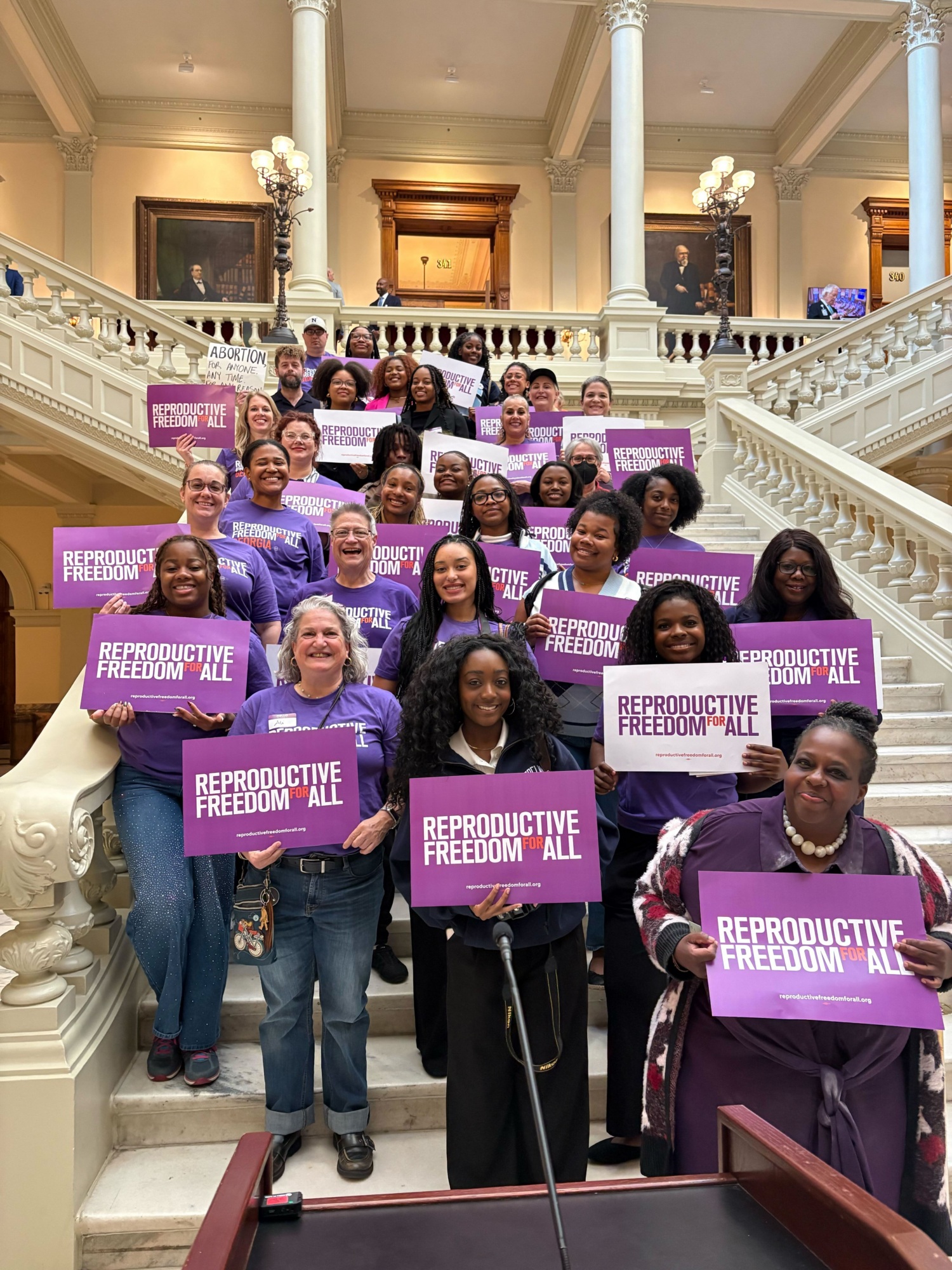
Stay in the Know
Reproductive Freedom for All is made up of members across the country who believe that everybody should be free to control their own bodies and lives—and we want you to be a part of it.
Subscribe to be one of the first to receive updates on the state of reproductive freedom and opportunities to take action.
Podcast Reproductive Rights
Podcast Reproductive Rights
Podcast Reproductive Rights