Our electoral efforts connect voters with opportunities to make tangible change to help build a future where everyone is free to make their own decisions about their bodies, lives, and families.
We elect reproductive freedom champions from statehouses to the White House and protect and expand abortion rights and access through ballot measures.
Trackers
Trackers
Under a second Trump presidency, attacks on reproductive freedom have been relentless. But we’re tracking and fighting back against this extremist anti-abortion agenda.
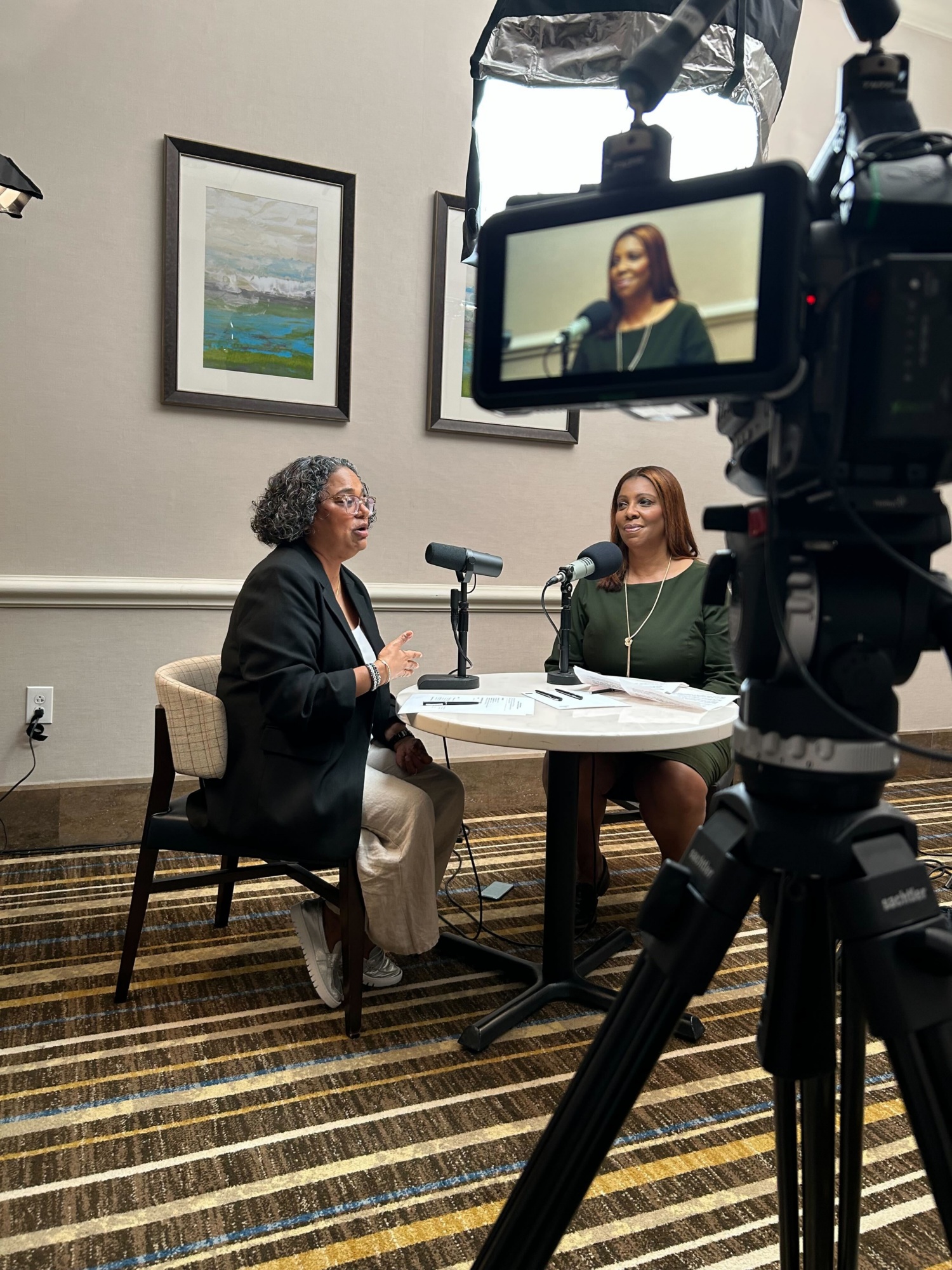
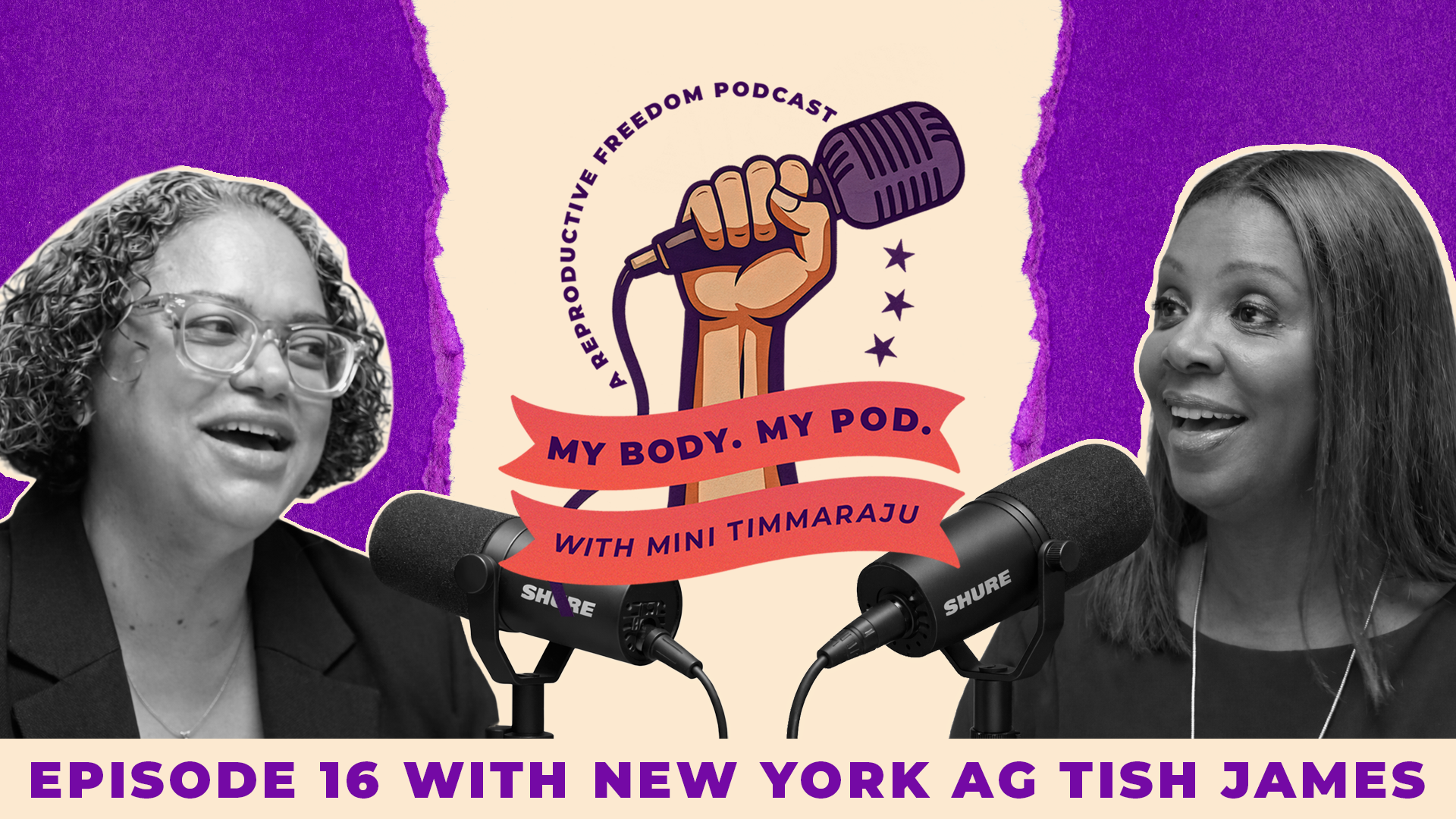
In this episode of My Body. My Pod., Mini Timmaraju sits down with New York Attorney General Letitia James to break down what’s really happening behind the scenes in the fight for reproductive freedom.
Because while headlines can make it feel like rights are slipping away everywhere—there’s another story unfolding in the courts.
And it’s one we don’t talk about enough: we’re fighting back against the Trump administration—and winning.
🔍 A Closer Look: How Attorneys General Are Protecting Abortion Access
“It’s really important that individuals understand the damage that the Supreme Court has done to our nation, turning back the clock of progress for reproductive rights for women, and for members of the LGBTQ community.” –Attorney General James
From defending abortion providers under attack, to taking on the Trump administration’s overreach, AG James is at the center of the legal fight to protect our rights—and she’s winning. Democratic attorneys general like her are taking on Trump’s unconstitutional executive orders—and they have an 80% win rate.
Mini and AG James get into:
How shield laws are protecting patients and providers across state lines
Even as anti-abortion lawmakers try to criminalize care (even across state lines), AGs in states like New York are stepping in to protect patients, doctors, and access to reproductive care.
It’s not just about legal access. It’s about whether people can actually get accurate information and timely care.
How attacks are expanding beyond abortion
The same playbook is being used to target gender-affirming care and bodily autonomy more broadly.
How Democratic AGs are coordinating to fight back
Across the country, attorneys general are working together—meeting weekly, sharing strategy, and defending access in court.
This is about abortion medication—mifepristone and misoprostol—and efforts to criminalize the people who provide it. We will not allow it.
I will use every power in my being, every authority that I have to defend those rights. We’re standing up to defend the rights of health care providers and ensure that reproductive care and gender-affirming care is available to all.
Letitia James - NY Attorney General
on My Body. My Pod. with Mini Timmaraju
💡 Key Takeaway: We Must Elect Those Who Protect and Expand Abortion Access
It’s easy to feel like the anti-abortion movement is winning. But that’s not the full picture.
Across the country, Democratic state attorneys general are challenging extremist laws, defending providers, and protecting patients.
And they’re winning 80% of their cases.
That matters.
Because legal battles are shaping what access looks like right now—and what it will look like in the future.
But wins in court aren’t enough on their own. They have to be matched with political power.
That means paying attention to elections—including statewide races—voting to electreproduction freedom champions up and down the ballot, and holding anti-abortion extremists accountable by voting them out of office.
Anti-abortion extremists are attacking medication abortion to essentially ban abortion for millions of people. Add your name in support of access to medication abortion.
We're pulling out all the stops to ensure voters get out and vote for reproductive freedom candidates up and down the ballot, and we need your help to make it happen!
🤿 Dive Deeper into the Details
2025 Recap of State Abortion Law Trends: The Good, the Bad, and the Dangerous
State legislatures remain the front lines of abortion access. In 2025 alone, we tracked more than 1,000 state bills related to abortion, fertility care, and maternal health. Some states doubled down on protecting patients and providers. Others refined new ways to restrict, punish, and mislead people trying to access reproductive health care.
How Much Do You Know About Mifepristone (aka the Abortion Pill)?
Mifepristone, commonly referred to as an ‘abortion pill,’ is widely used for abortion care and miscarriage management and is a critical part of reproductive freedom. But how much of what you’ve heard is fact vs. fiction?
When anti-abortion extremists ban abortion, people don’t just lose access—they face real harm. Patients are currently navigating dangerous laws and restrictions that endanger their lives and well-being.
Enacted by Congress in 1986, The Emergency Medical Treatment and Labor Act (EMTALA) requires hospitals participating in Medicare—which includes the vast majority of hospitals in the U.S.— to provide an appropriate medical screening to people seeking treatment for an emergency medical condition. The hospital must either stabilize the patient or transfer them to a facility that can.
This law ensures that patients receive necessary emergency care—including abortion care—when required to save a person’s life.
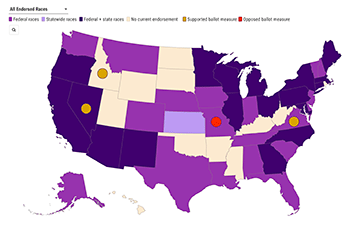
Midterm Elections Watch: Endorsed Candidates and Key Races
See our endorsed candidates and learn more about the critical races we’re watching in this year’s midterm elections
If you’re into building a nationwide movement to protect and expand health justice, reproductive equity, and the power of people to control their own lives, this show is for you.
Hear from leaders and changemakers who share wisdom from the front lines, stories of the real struggles people are facing every day, and a vision for the future we’re determined to win.
Hosted by Mini Timmaraju, President and CEO of Reproductive Freedom for All. Available on YouTube and wherever you get your podcasts.
Stay in the Know
Sign up to learn how to take action with us.
Reproductive Freedom for All is made up of members across the country who believe that everybody should be free to control their own bodies and lives—and we want you to be a part of it.
Subscribe to be one of the first to receive updates on the state of reproductive freedom and opportunities to take action.