Join Our Volunteer Elections Team
We're pulling out all the stops to ensure voters get out and vote for reproductive freedom candidates up and down the ballot, and we want you with us!
Formerly NARAL Pro-Choice America
We advocate for our right to abortion, birth control, paid parental leave, protection from pregnancy discrimination, and so much more.
We're pulling out all the stops to ensure voters get out and vote for reproductive freedom candidates up and down the ballot, and we want you with us!
Equip yourself with the facts. Here you’ll find explainers, deep dives, and other resources on reproductive freedom.
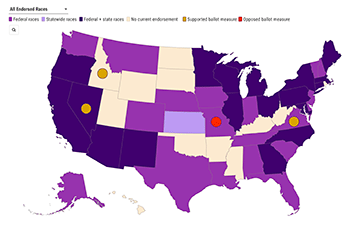
The key races we're invested in between now and November 3 to win back a reproductive freedom majority in the 2026 midterms.
Our electoral efforts connect voters with opportunities to make tangible change to help build a future where everyone is free to make their own decisions about their bodies, lives, and families.
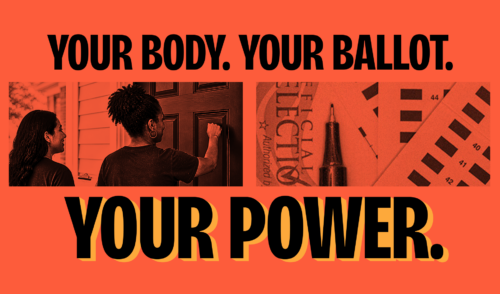
We elect reproductive freedom champions from statehouses to the White House and protect and expand abortion rights and access through ballot measures.
Under a second Trump presidency, attacks on reproductive freedom have been relentless. But we’re tracking and fighting back against this extremist anti-abortion agenda.

Project 2025 is no longer just a “plan,” it’s a checklist of extreme policies being implemented at an alarming pace.
Mobilize your community. Hold lawmakers accountable. Organize for reproductive freedom!
Help turn values into votes by mobilizing voters and electing reproductive freedom champions up and down the ballot.
Reproductive Rights Podcast
Republican officials are trying to enforce their abortion bans across state lines. Democratic governors and attorneys general are using shield laws to fight back.
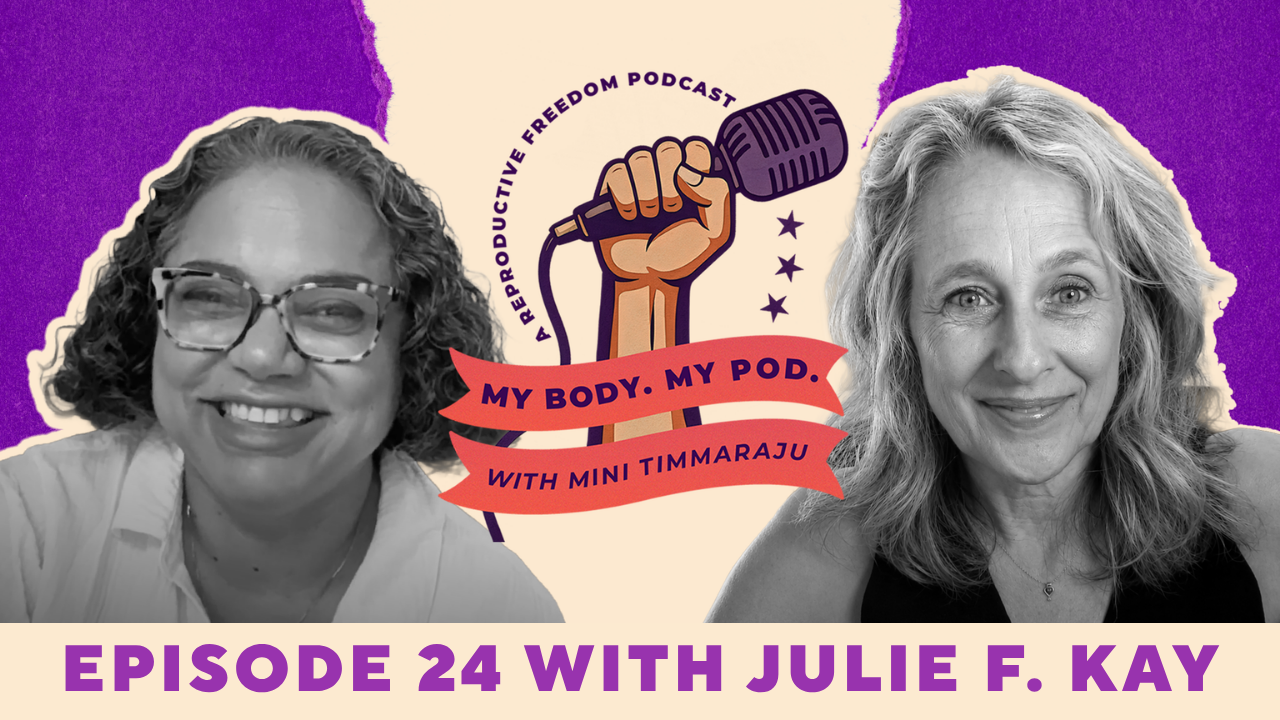
Human rights lawyer and Reproductive Futures founder and CEO Julie F. Kay joins Mini Timmaraju to discuss the shield laws at the center of this fight, the growing attacks on telemedicine abortion, and why the governors and attorneys general we elect matter more than ever.
In December 2024, Texas Attorney General Ken Paxton sued a New York provider for prescribing telemedicine abortion care to a patient in Texas. After a Texas court ordered the provider to pay more than $113,000, Paxton tried to get New York to enforce the judgment.
New York refused. An Ulster County clerk blocked the filing under the state’s shield law, and Attorney General Letitia James stepped in to defend the law and the provider.
Then, Louisiana officials indicted the same doctor and sought to have her extradited. Again, New York refused. This time, New York Governor Kathy Hochul stepped in and refused to turn over the provider.
In this episode of My Body. My Pod, human rights lawyer and Reproductive Futures founder and CEO Julie F. Kay joins Mini Timmaraju to discuss the shield laws at the center of this fight, the growing attacks on telemedicine abortion, and the importance of the midterm elections.
After the Supreme Court overturned Roe v. Wade, states that protect abortion began passing shield laws. These laws are designed to prevent state officials, courts, and law enforcement from helping other states investigate or punish abortion care that is legal in the shield state.
Telemedicine shield laws go a step further. They protect licensed providers offering care from within their own states, even when the patient is somewhere abortion is banned, restricted, or unavailable.
Julie calls telemedicine the modern house call. A patient can speak with a licensed provider, receive medication abortion through the mail, and get care without traveling hundreds of miles.
As Julie explains, the strongest shield laws are those that protect the patient and provider “regardless of patient location.”
Government officials are not the only people trying to use abortion bans across state lines.
Texas-style bounty hunter laws allow private individuals to sue people accused of helping someone obtain abortion care. Julie describes a growing group of cases brought by what she calls “angry ex-partners.”
Julie also makes an essential point: The end of Roe made abortion access dramatically worse, but access was never equitable to begin with.
Even before the Dobbs decision, many communities had few or no abortion providers. Cost, transportation, child care, time away from work, disability, immigration status, and distance from a clinic could determine whether someone was able to get care.
Those barriers fall hardest on people with low incomes, people of color, young people, and anyone whose movement or privacy is restricted.
Julie saw this firsthand while challenging Ireland’s former constitutional abortion ban:
“Travel was shameful and stigmatizing and expensive and isolating.”
Telemedicine cannot repair every inequity in our health care or criminal legal systems. But it can remove one major barrier by allowing more people to receive care without leaving their homes, families, jobs, or communities.
Medication abortion makes care possible, especially via telemedicine. Instead of banning it directly, anti-abortion officials and organizations are pursuing court cases, spreading disinformation, pressuring the FDA, and trying to restore unnecessary in-person dispensing requirements.
Requiring patients to collect mifepristone in-person would force many people to travel, even when the medication can be prescribed safely through telemedicine and delivered by mail.
Anti-abortion forces want to create enough cost, confusion, fear, and delay to push abortion care out of reach.
This episode makes clear why federal and state elections matter.
Republican officials are testing how far they can extend abortion bans beyond their borders. Democratic governors and attorneys general are refusing extradition requests, defending providers, blocking out-of-state judgments, and enforcing shield laws.
State lawmakers decide whether those protections exist in the first place. Federal officials shape access to mifepristone. Judges decide whether protections survive legal challenges. Congress has the power to protect abortion access and reform courts that have been captured by anti-abortion interests.
As Julie reminds us: “This is a majority. We’re not going to let people use abortion as a wedge issue and silence us.”
Storytelling is crucial to pushing the reproductive freedom movement forward. Help strengthen the movement when you share your story.
Need an abortion? There are resources available. Use our toolkit to spread the word about how to access abortion care, abortion funds, legal advocacy, and more.
We're pulling out all the stops to ensure voters get out and vote for reproductive freedom candidates up and down the ballot, and we need your help to make it happen!
MY BODY. MY POD. WITH MINI TIMMARAJU.
That’s why we’re bringing you My Body. My Pod. with Mini Timmaraju, a reproductive freedom podcast.
If you’re into building a nationwide movement to protect and expand health justice, reproductive equity, and the power of people to control their own lives, this show is for you.
Hear from leaders and changemakers who share wisdom from the front lines, stories of the real struggles people are facing every day, and a vision for the future we’re determined to win.
Hosted by Mini Timmaraju, President and CEO of Reproductive Freedom for All. Available on YouTube and wherever you get your podcasts.

Stay in the Know
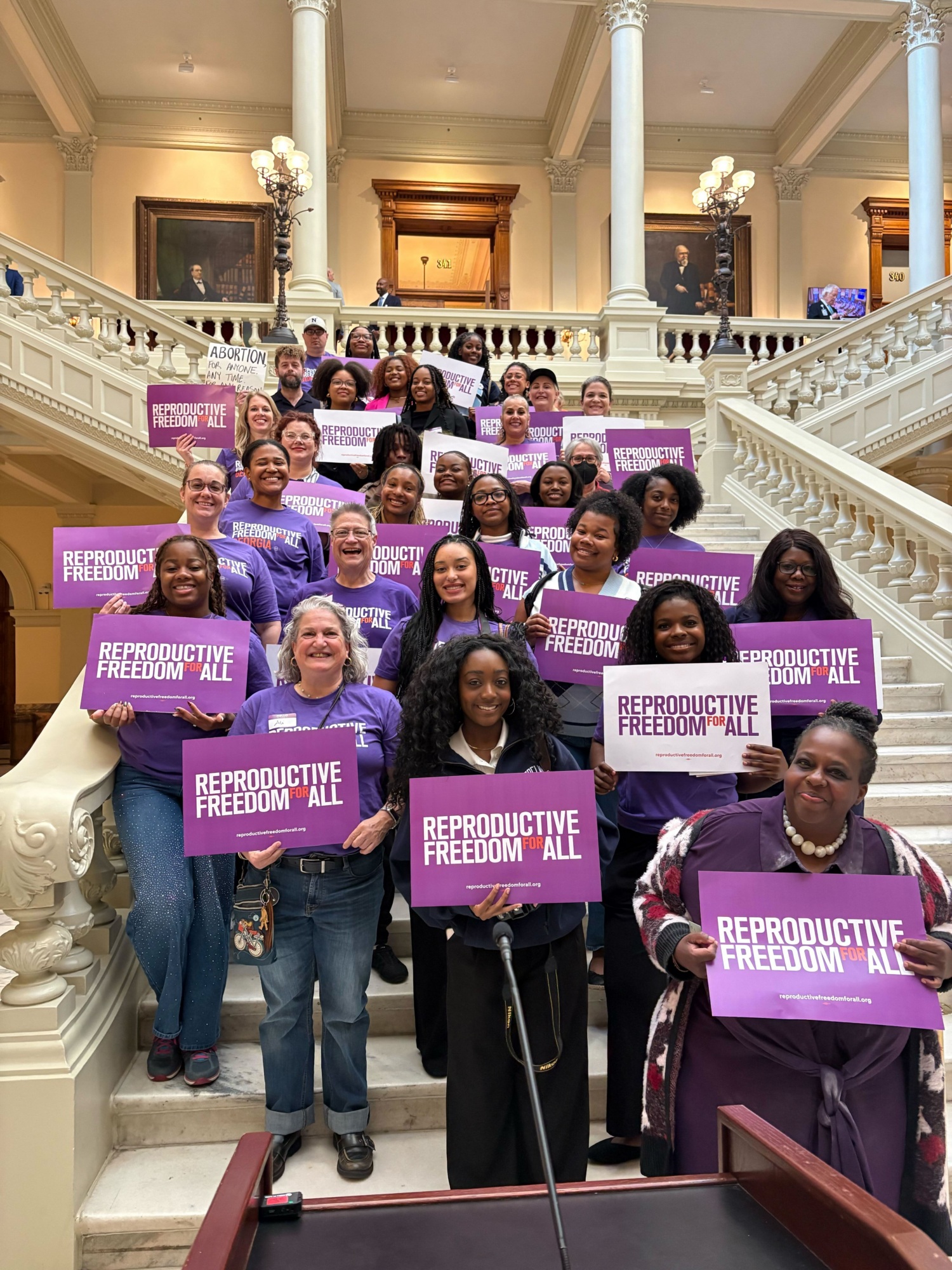
Reproductive Freedom for All is made up of members across the country who believe that everybody should be free to control their own bodies and lives—and we want you to be a part of it.
Subscribe to be one of the first to receive updates on the state of reproductive freedom and opportunities to take action.
Podcast Reproductive Rights
Podcast Reproductive Rights
Podcast Reproductive Rights