Join Our Volunteer Elections Team
We're pulling out all the stops to ensure voters get out and vote for reproductive freedom candidates up and down the ballot, and we want you with us!
Formerly NARAL Pro-Choice America
We advocate for our right to abortion, birth control, paid parental leave, protection from pregnancy discrimination, and so much more.
We're pulling out all the stops to ensure voters get out and vote for reproductive freedom candidates up and down the ballot, and we want you with us!
Equip yourself with the facts. Here you’ll find explainers, deep dives, and other resources on reproductive freedom.
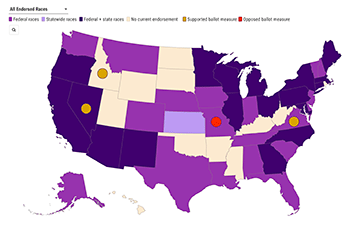
The key races we're invested in between now and November 3 to win back a reproductive freedom majority in the 2026 midterms.
Our electoral efforts connect voters with opportunities to make tangible change to help build a future where everyone is free to make their own decisions about their bodies, lives, and families.
We elect reproductive freedom champions from statehouses to the White House and protect and expand abortion rights and access through ballot measures.
Under a second Trump presidency, attacks on reproductive freedom have been relentless. But we’re tracking and fighting back against this extremist anti-abortion agenda.

Project 2025 is no longer just a “plan,” it’s a checklist of extreme policies being implemented at an alarming pace.
Mobilize your community. Hold lawmakers accountable. Organize for reproductive freedom!
Help turn values into votes by mobilizing voters and electing reproductive freedom champions up and down the ballot.
Reproductive Rights Deep Dives
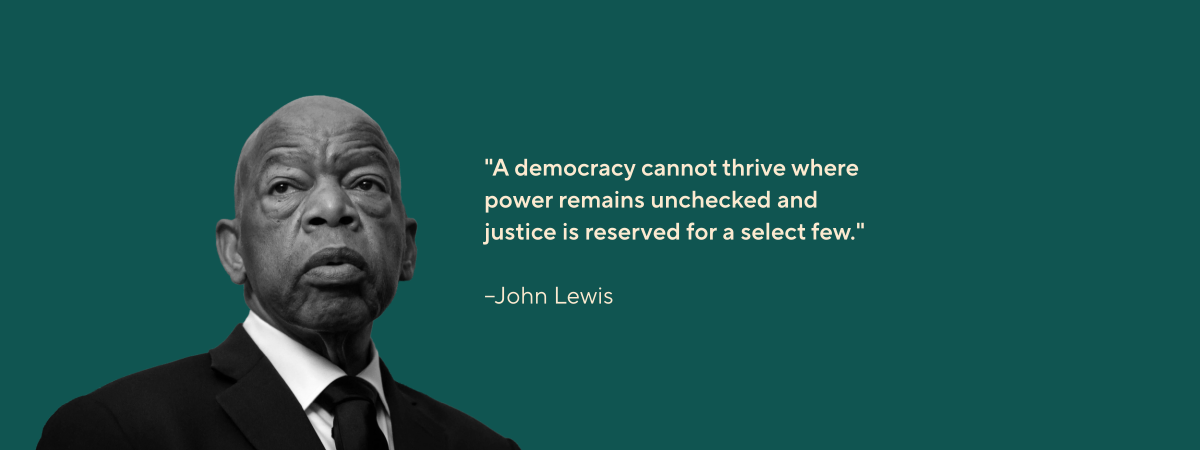
Attacks on abortion, contraception, and reproductive health care are escalating across the country—but this moment is about far more than reproductive freedom alone. It’s about who holds power, who is being represented, and whose rights are protected.
That’s why the fight for reproductive freedom cannot be separated from the fight for voting rights.
The John Lewis Voting Rights Advancement Act (JLVRAA) aims to restore and strengthen the landmark Voting Rights Act of 1965 (VRA) that was gutted by the Supreme Court in 2013.
The background:
Republicans in Congress keep blocking the JLVRAA from passing.
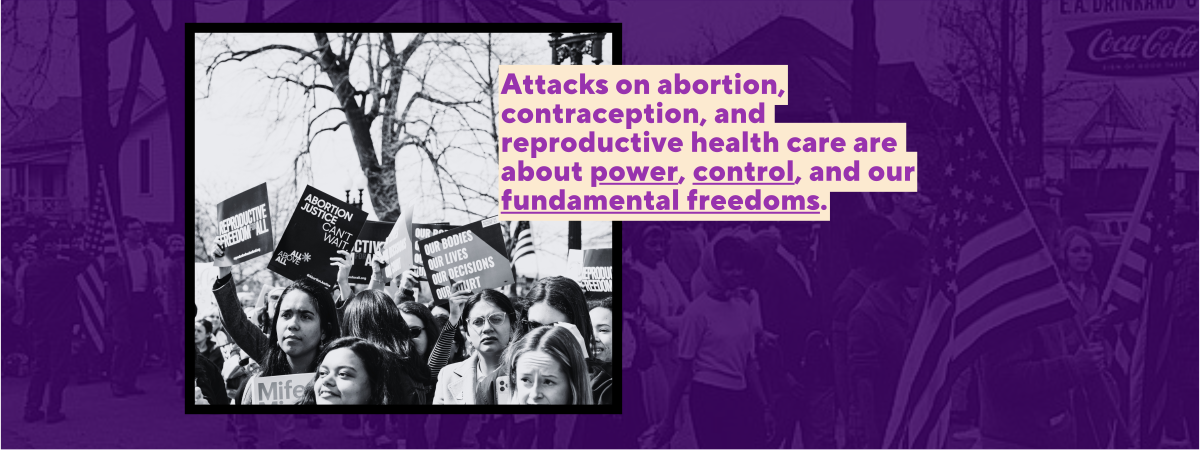
This is not accidental. When politicians suppress our vote, they can pass abortion bans and other unpopular policies that the public overwhelmingly opposes.
When the Supreme Court gutted the VRA’s preclearance requirement, it allowed states with long histories of racial discrimination and undermining voting rights to continue changing voting laws without federal oversight.
The result has been widespread voter suppression—particularly targeting Black, brown, Indigenous, and low-income voters. And once those voices are silenced, extremist lawmakers have shown they are more likely to ignore the majority and pass laws on abortion bans, birth control restrictions, and attacks on reproductive health care that the majority of Americans oppose.
Reproductive freedom depends on democracy. When voting rights are weakened, bodily autonomy is in jeopardy.
Reproductive freedom is a fundamental right. Voting is a fundamental right. Both are critical to your autonomy, dignity, and the power to shape your own future—and to our democracy at large.
When put to a vote, abortion bans do not win. That’s why anti-abortion extremists work so aggressively to undermine voting rights—blocking protections like the John Lewis Voting Rights Advancement Act while establishing minority rule through gerrymandering, imposing burdensome voter ID laws, and supermajority requirements.
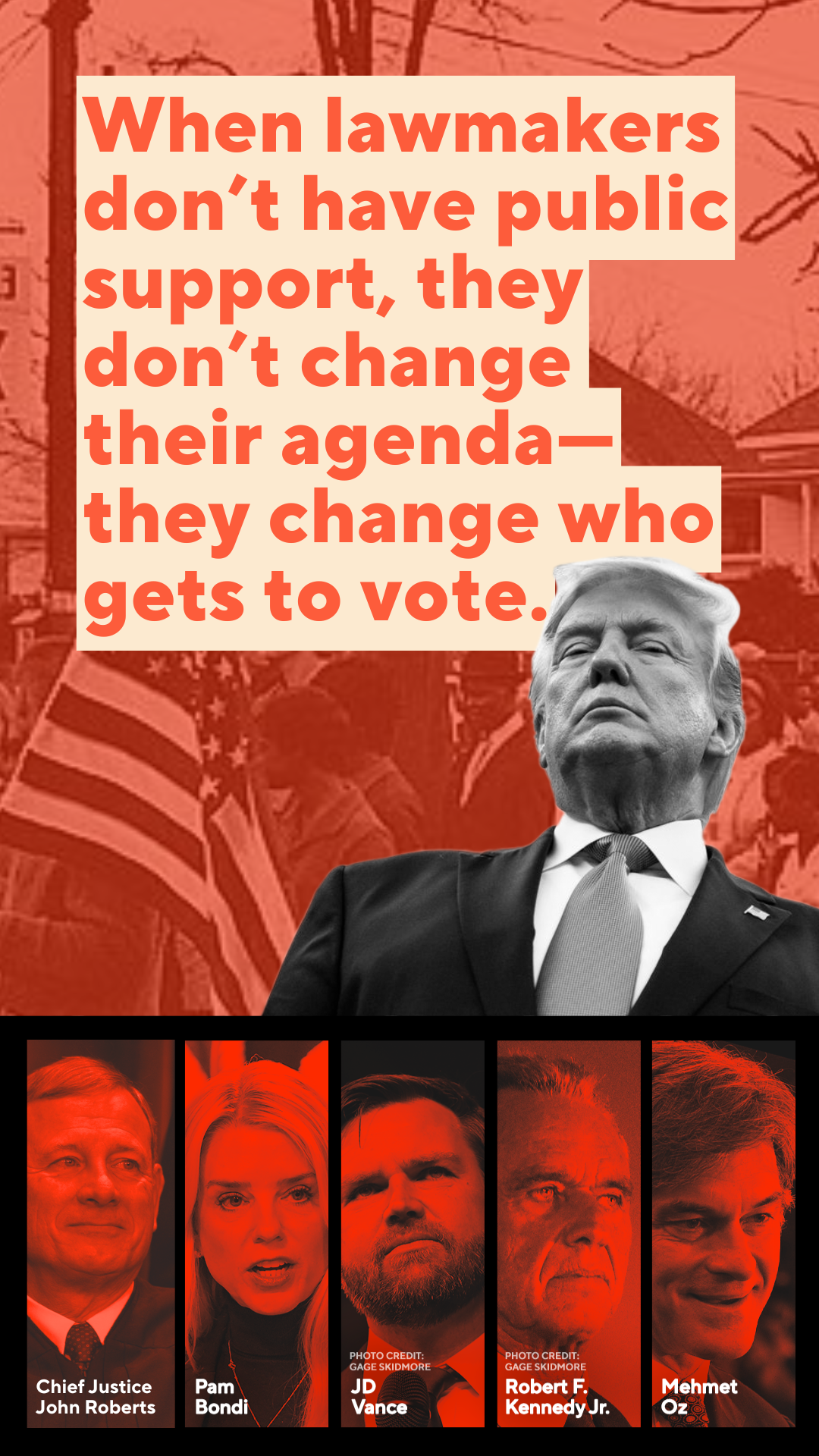
When lawmakers don’t have public support, they don’t change their agenda—they change who gets to vote.
The civil rights movement fought for access to education, economic opportunity, and the ballot box. Those victories were hard-won—and today, they are under direct attack.
The same politicians and extremist organizations pushing abortion bans are also advancing:
The U.S. has a long history of asserting control over people’s decisions about their lives and bodies—particularly targeting Black, Indigenous, disabled, incarcerated, and immigrant communities.
Today’s abortion bans echo those injustices. They reinforce surveillance, criminalization, and state control over marginalized bodies—while voter suppression ensures the people most impacted have the least political power to fight back.
It is no accident that the far right turned to abortion as a rallying issue only after losing ground on segregation and other openly racist policies.
Just as poll taxes and literacy tests once blocked Black Americans from voting, abortion bans and travel restrictions block access to health care and disproportionately impact historically marginalized communities.
face higher maternal mortality and criminalization
experience chronic under-access to care
face discriminatory health laws
bear the brunt of clinic closures and financial barriers
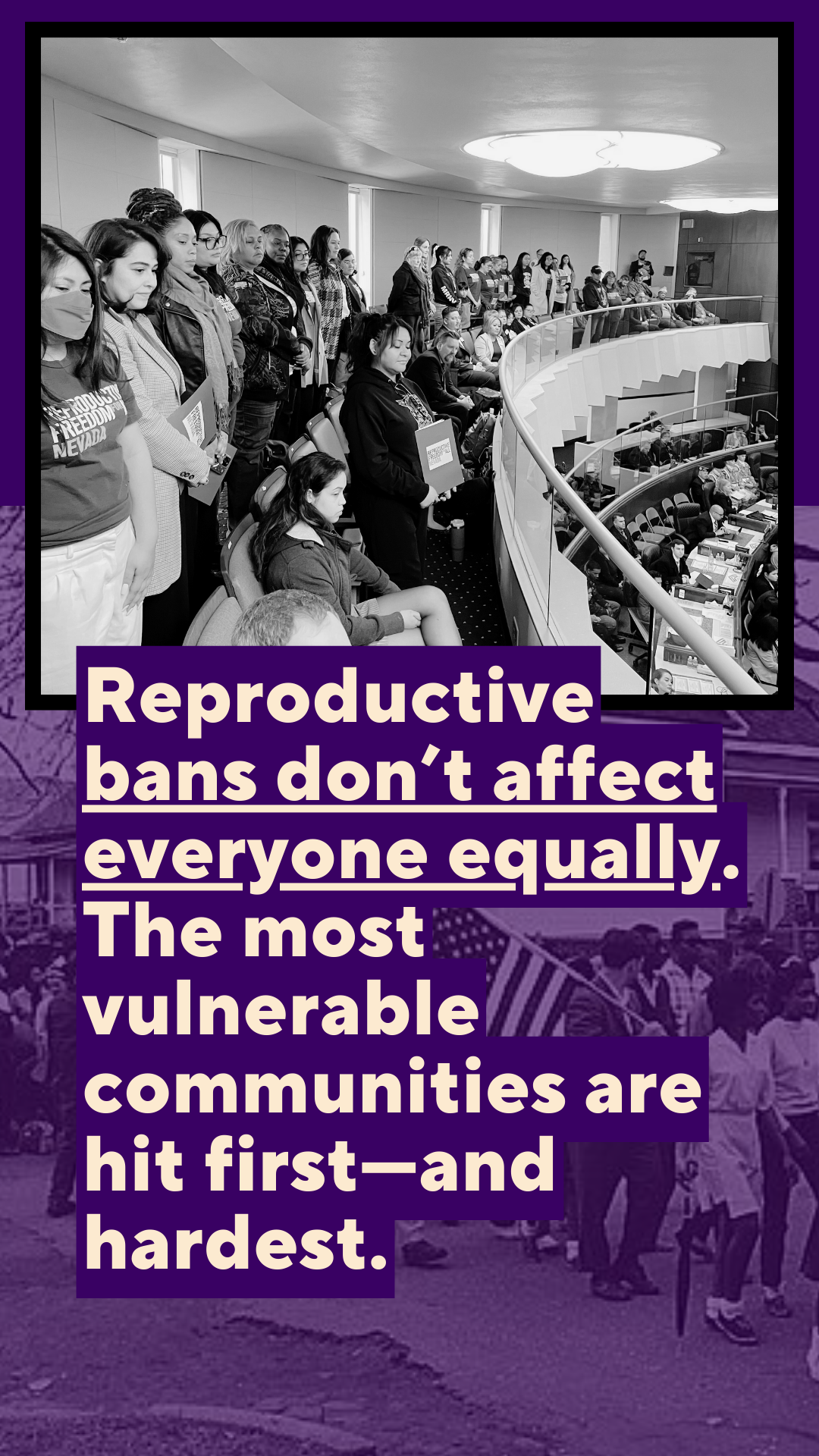
Even as voters across the country show up consistently to support abortion access, state lawmakers continue to pass extreme abortion bans, medication abortion restrictions, and many other new attacks on reproductive freedom.
In Florida, 57% of voters supported abortion rights in 2024—the largest number of people ever to vote for abortion access in the state. Still, the amendment could not go into effect because years before, lawmakers enacted an arbitrary 60% supermajority requirement for constitutional amendments.
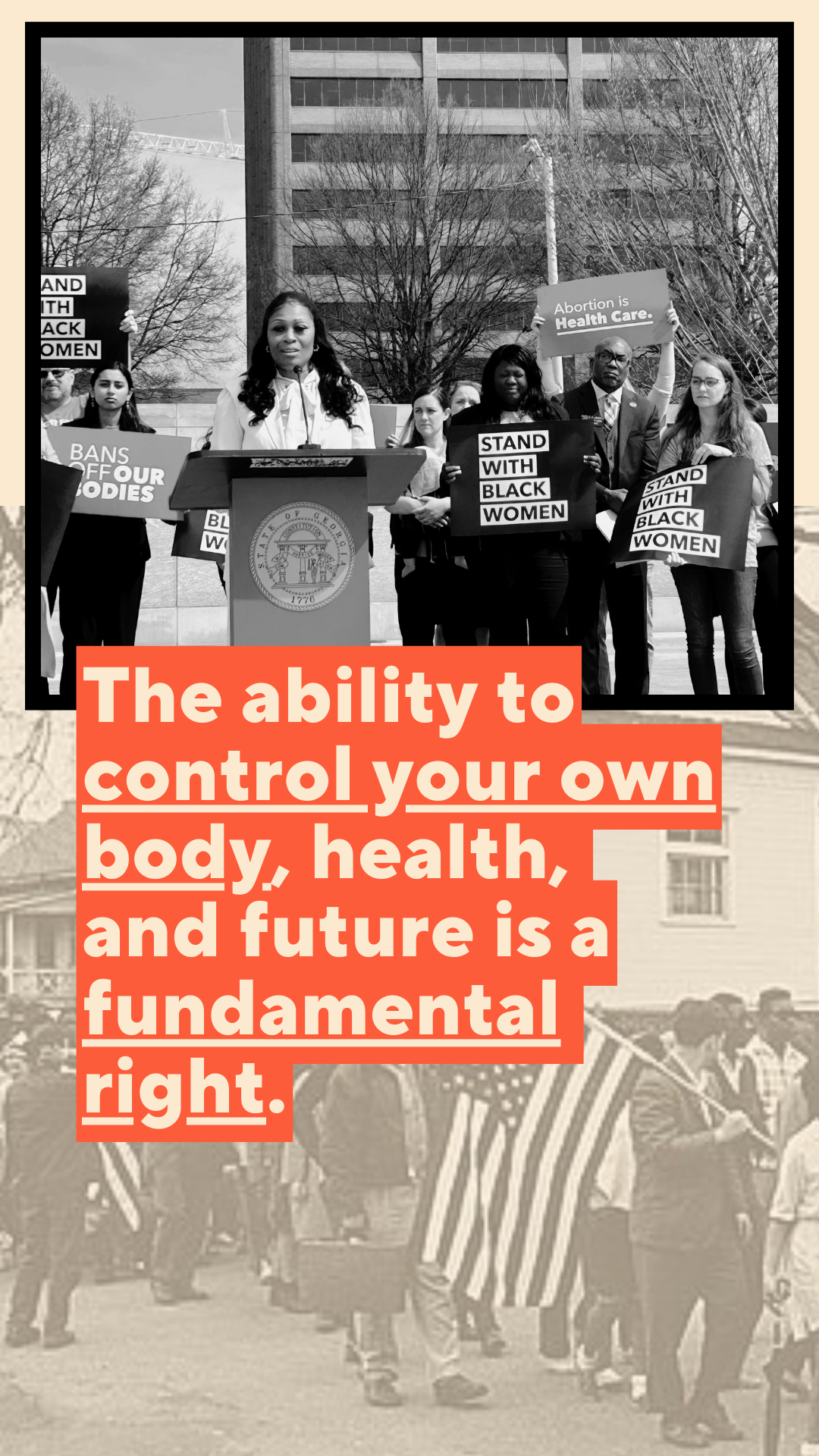
These policies don’t exist in theory—they have devastating real-world consequences:
This moment is about whether democracy survives—or whether minority rule becomes the norm.
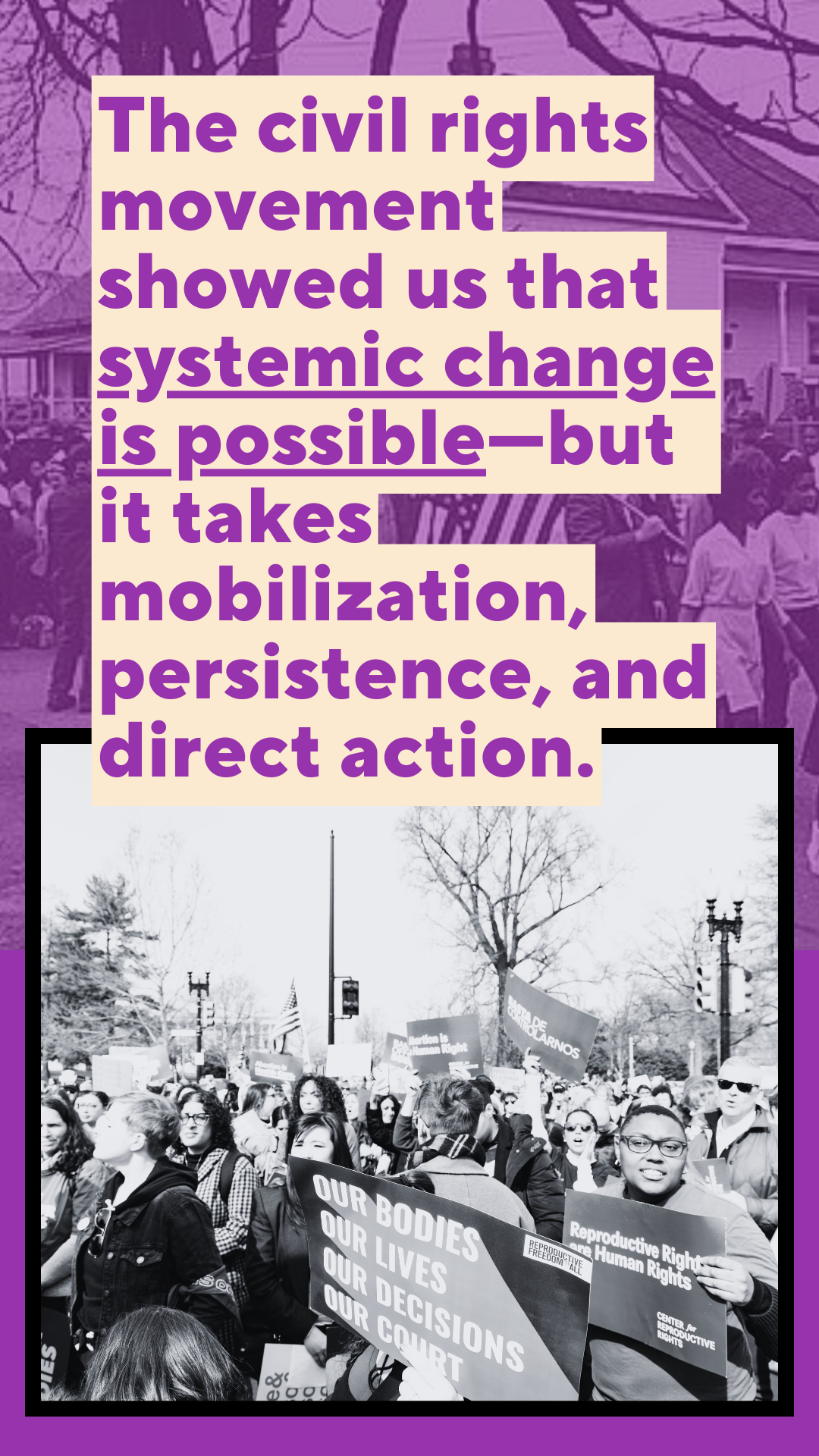
The civil rights movement wasn’t won overnight—and neither will the fight for reproductive rights.
Change requires:
Protecting reproductive freedom means protecting democracy itself.
We are at a defining moment. The same forces attacking abortion and birth control are attacking voting rights, civil liberties, and democratic participation.
History teaches us that progress is possible—but only when people organize, vote, and refuse to accept injustice.

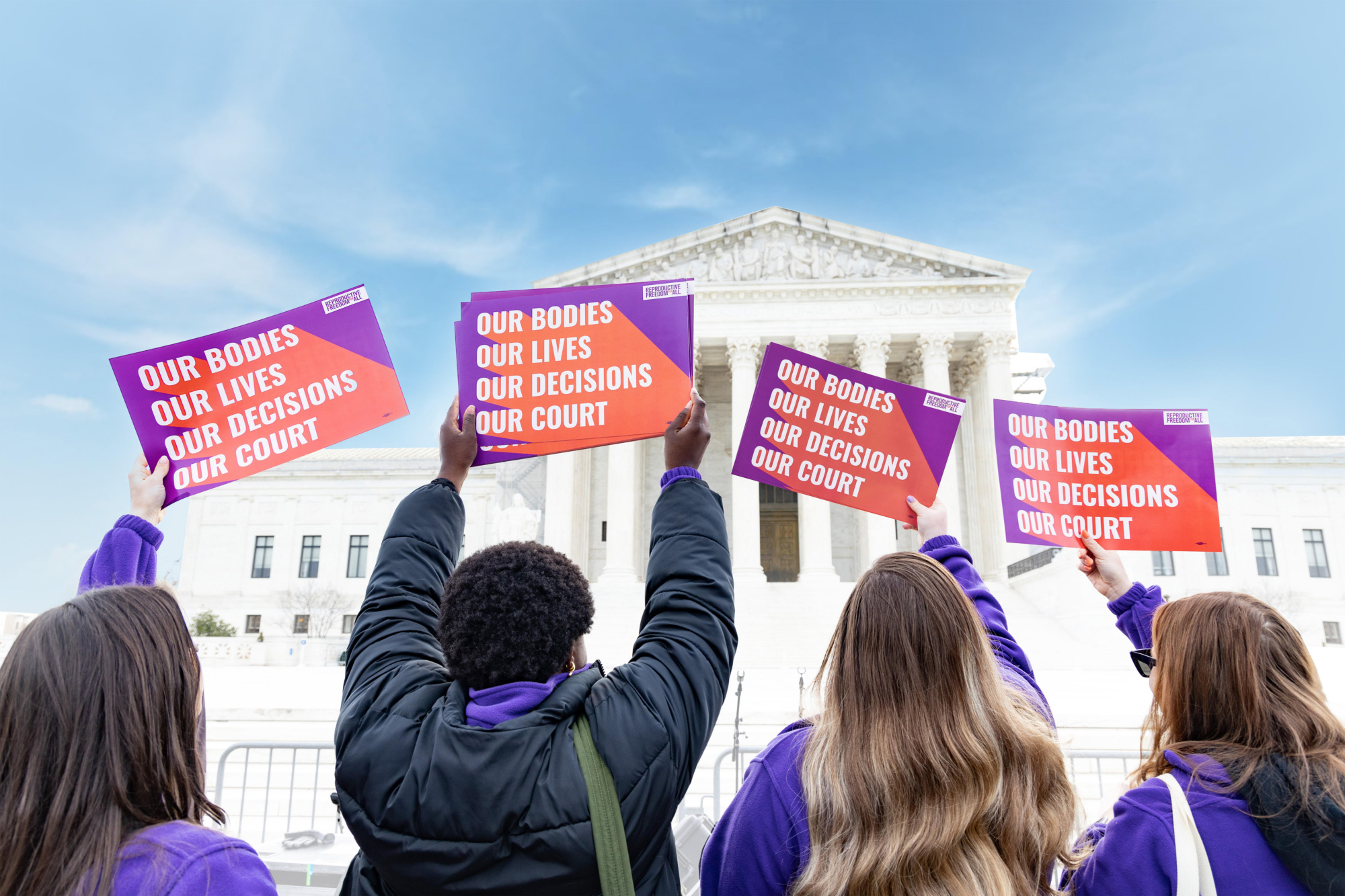
Take Action Today
Together, we can protect reproductive freedom, defend voting rights, and build a future where everyone has the power to decide their own destiny
Deep Dives Reproductive Rights
Deep Dives Activism 101
Deep Dives Activism 101