Wins:
- California and other states protected provider identities on medication abortion prescriptions
- Maryland’s innovative funding program
- Shield laws expanded across supportive states
Formerly NARAL Pro-Choice America
Reproductive Rights Deep Dives
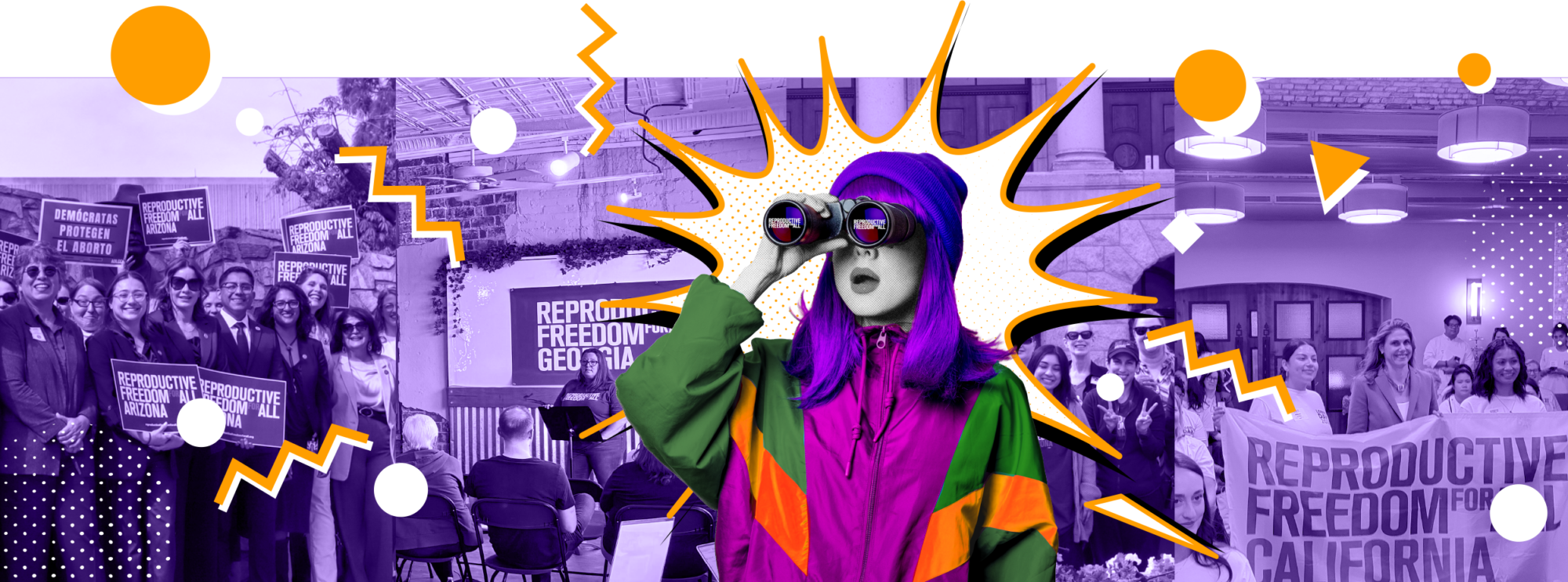
In 2025 alone, we tracked more than 1,000 state bills related to abortion, fertility care, and maternal health. Some states doubled down on protecting patients and providers. Others refined new ways to restrict, punish, and mislead people trying to access reproductive health care.
Join the fight for reproductive freedom. The work ahead remains urgent, but we’re heading into 2026 with momentum—and we want you with us.
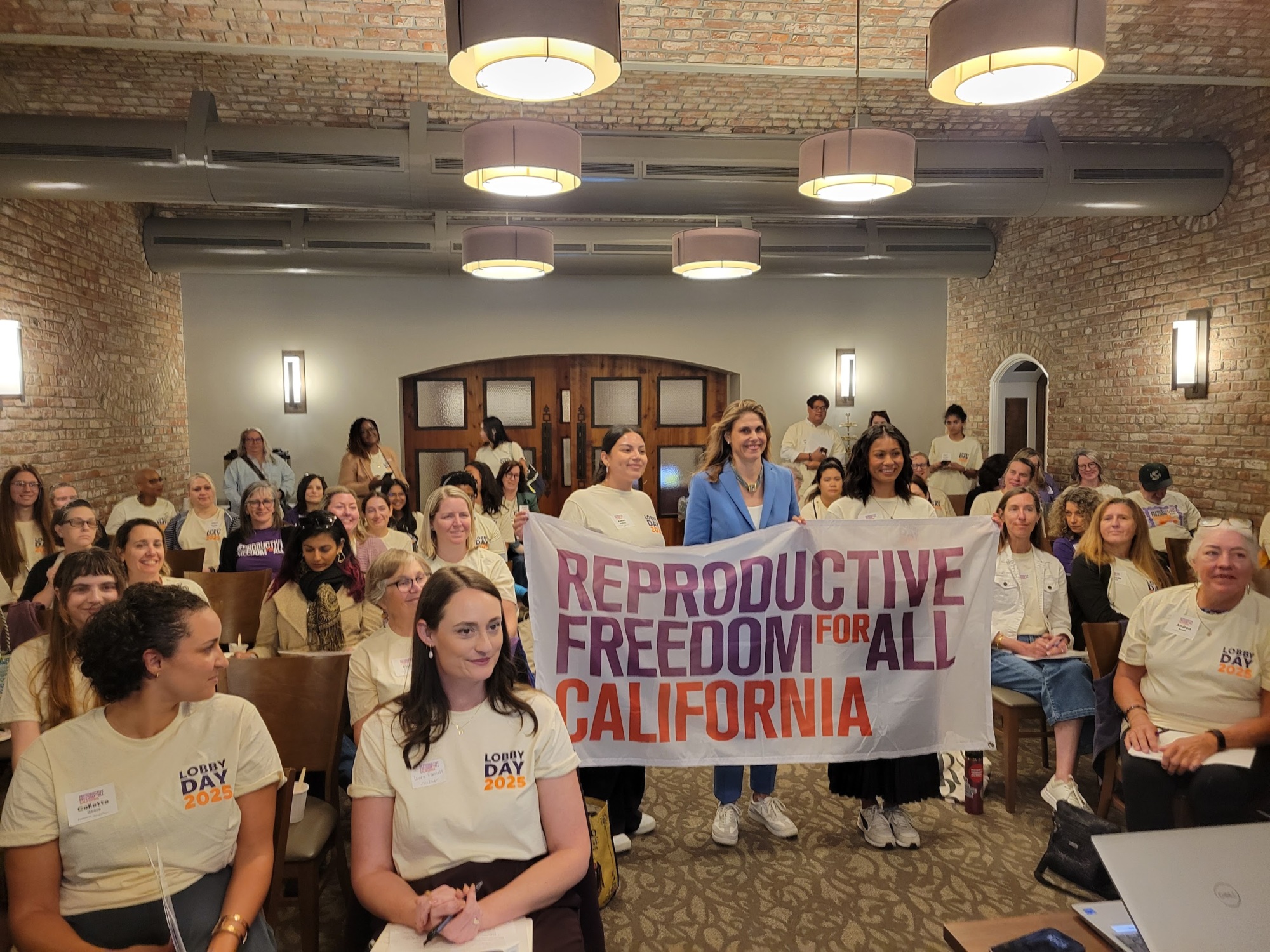
As more patients rely on telehealth and travel to access abortion care, states supportive of reproductive freedom strengthened their shield laws to close dangerous loopholes.
In 2025, lawmakers focused on two key areas: protecting provider identities and extending legal protections beyond state borders—making it harder for hostile states to track, target, or punish providers and the people who help patients access care.
👉Why it matters: If hostile states can’t identify providers, they can’t easily harass, sue, or extradite them.
🖐️ Providers in California and New York faced both criminal and civil cases from states hostile to abortion. Both states used their shield laws to protect providers from extradition and severe civil penalties.
😡 The Louisiana Attorney General’s criminal case against a New York doctor highlights the importance of prescription labeling privacy, since the Attorney General was only able to target this doctor because their name was on the prescription for the medication.
💜 California, Colorado, Maine, New York, and Vermont have since added protections to their shield laws that allow providers to use the name of their healthcare practice on prescriptions rather than their own name.
👀 Despite thousands of calls from Reproductive Freedom for All members, Nevada’s Republican Governor Joe Lombardo vetoed a similar bill in Nevada.
abortions are provided under shield laws every month
Maryland launched one of the most innovative abortion funding models in the country to support uninsured and underinsured patients.
Here’s how it works:
Why it matters: For many, abortion care comes with hundreds of dollars in extra costs—including time off work, travel, and childcare. This funding can make all the difference in whether someone can access care.
...(that’s 2x what it was before Dobbs overturned our federal right to abortion care)
Black pregnant people are disproportionately impacted—more than half of all Black Americans live in the South, including 57% of all Black women of reproductive age.
not accounting for the cost of travel, childcare, and lost wages.
This legislative session showed, once again, how the fight for reproductive freedom and the fight for a fair democracy are intertwined.
Abortion is a winning issue at the ballot box. Eight in 10 Americans support the legal right to abortion. Yet anti-abortion lawmakers hold majorities in many statehouses—often shaped by voter suppression and partisan gerrymandering.
In 2025, Texas was front and center. At the urging of President Trump, Governor Greg Abbott approved a mid-decade redistricting that created five new safe Republican congressional seats. During the same session, Texas state lawmakers enacted one of the strictest medication abortion bans in the country.
In response, California Governor Gavin Newsom led the charge on Prop 50, a ballot measure designed to counter GOP lawmakers’ attempts to tilt elections in their favor.
Why it matters: Republicans’ efforts to undermine democracy threatens our freedom to control our own bodies and futures.
have some type of so-called “personhood” law
States laws pushed new, quieter ways to expand the definition of so-called “personhood” to include embryos and fetuses.
Why it matters: The anti-abortion movement has always used disinformation and stigma to push their agenda. Using disinformation as policy paves the way to threaten IVF, birth control, and criminalize abortion patients, helpers, and providers.
States expanded the “S.B. 8” model—turning private citizens into abortion ban enforcers.
Why it matters: These laws are designed to scare clinics, helpers, and even loved ones into silence or inaction.
Yes, really.
Several states pushed claims that abortion pills are polluting water systems, proposing:
Why it matters: There’s zero scientific evidence behind this. It’s a new strategy to restrict abortion by disguising bans as “environmental protection”.
Overturning Roe was never the end goal of the anti-abortion movement.
Anti-abortion extremists will not be satisfied until abortion is banned nationwide, patients are punished, birth control is restricted, and fetuses and embryos are granted full legal rights as people.
On one side, states are building real protections:
On the other, states are testing:
Need abortion care now? Browse resources for accessing abortion care including abortion providers, information and advice, abortion funds, legal advocacy, and more.
Want the deep dive? This post highlights the biggest trends shaping state reproductive freedom in 2025—but the full report goes deeper, including:

Stay In the Know
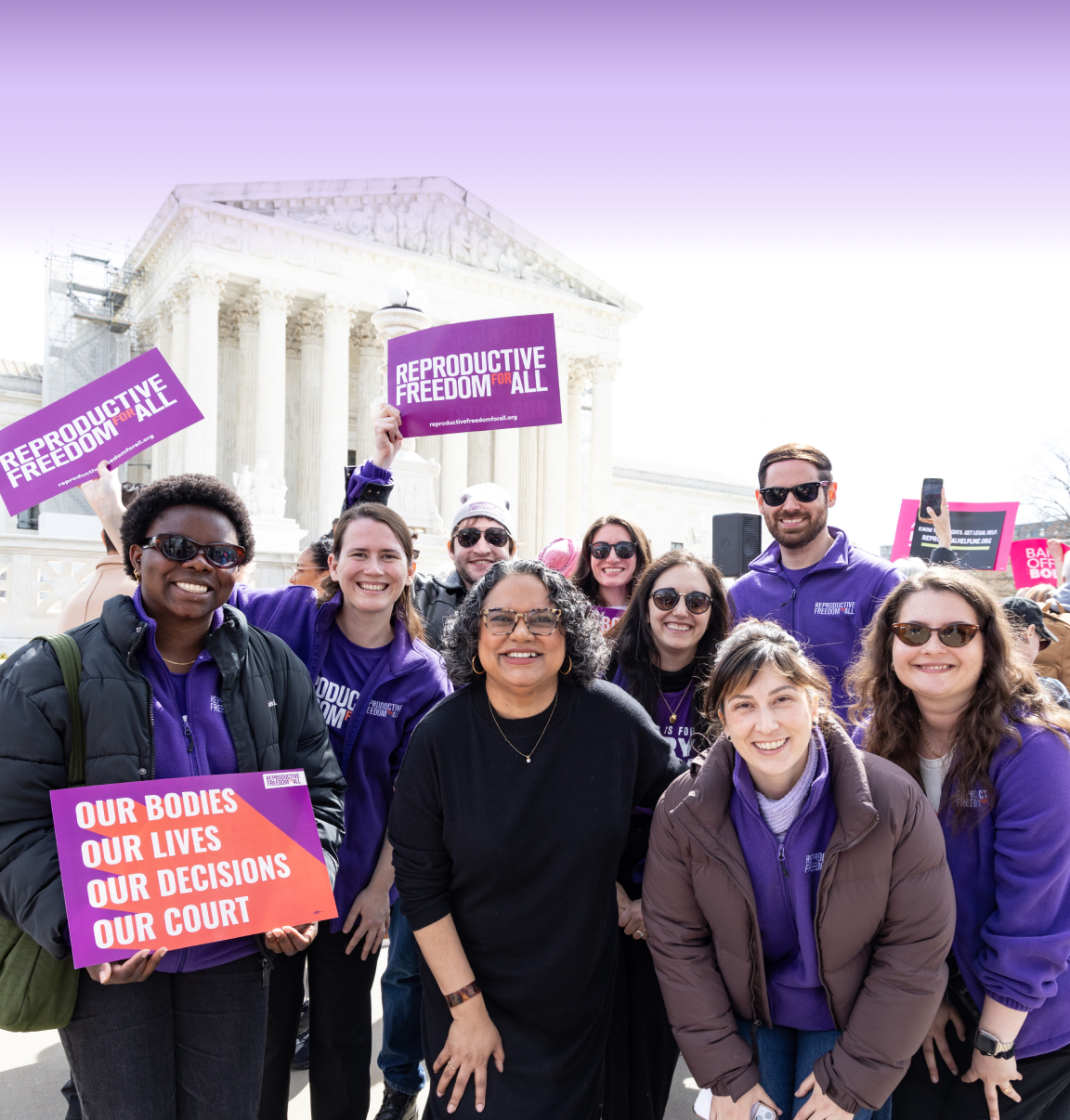
Reproductive Freedom for All is made up of members across the country who believe that everybody should be free to control their own bodies and lives—and we want you to be a part of it.
Subscribe to be one of the first to receive updates on the state of reproductive freedom and opportunities to take action.
Explainers Activism 101
Deep Dives Activism 101
Toplines Activism 101