
Join Our Volunteer Elections Team
We're pulling out all the stops to ensure voters get out and vote for reproductive freedom candidates up and down the ballot, and we want you with us!
Formerly NARAL Pro-Choice America
We advocate for our right to abortion, birth control, paid parental leave, protection from pregnancy discrimination, and so much more.
We're pulling out all the stops to ensure voters get out and vote for reproductive freedom candidates up and down the ballot, and we want you with us!
Equip yourself with the facts. Here you’ll find explainers, deep dives, and other resources on reproductive freedom.
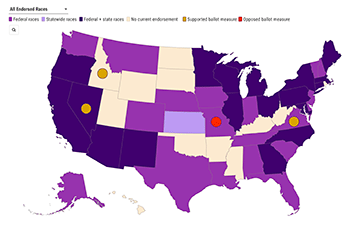
The key races we're invested in between now and November 3 to win back a reproductive freedom majority in the 2026 midterms.
Our electoral efforts connect voters with opportunities to make tangible change to help build a future where everyone is free to make their own decisions about their bodies, lives, and families.
We elect reproductive freedom champions from statehouses to the White House and protect and expand abortion rights and access through ballot measures.
Under a second Trump presidency, attacks on reproductive freedom have been relentless. But we’re tracking and fighting back against this extremist anti-abortion agenda.

Project 2025 is no longer just a “plan,” it’s a checklist of extreme policies being implemented at an alarming pace.
Mobilize your community. Hold lawmakers accountable. Organize for reproductive freedom!
Help turn values into votes by mobilizing voters and electing reproductive freedom champions up and down the ballot.
Activism 101 Deep Dives
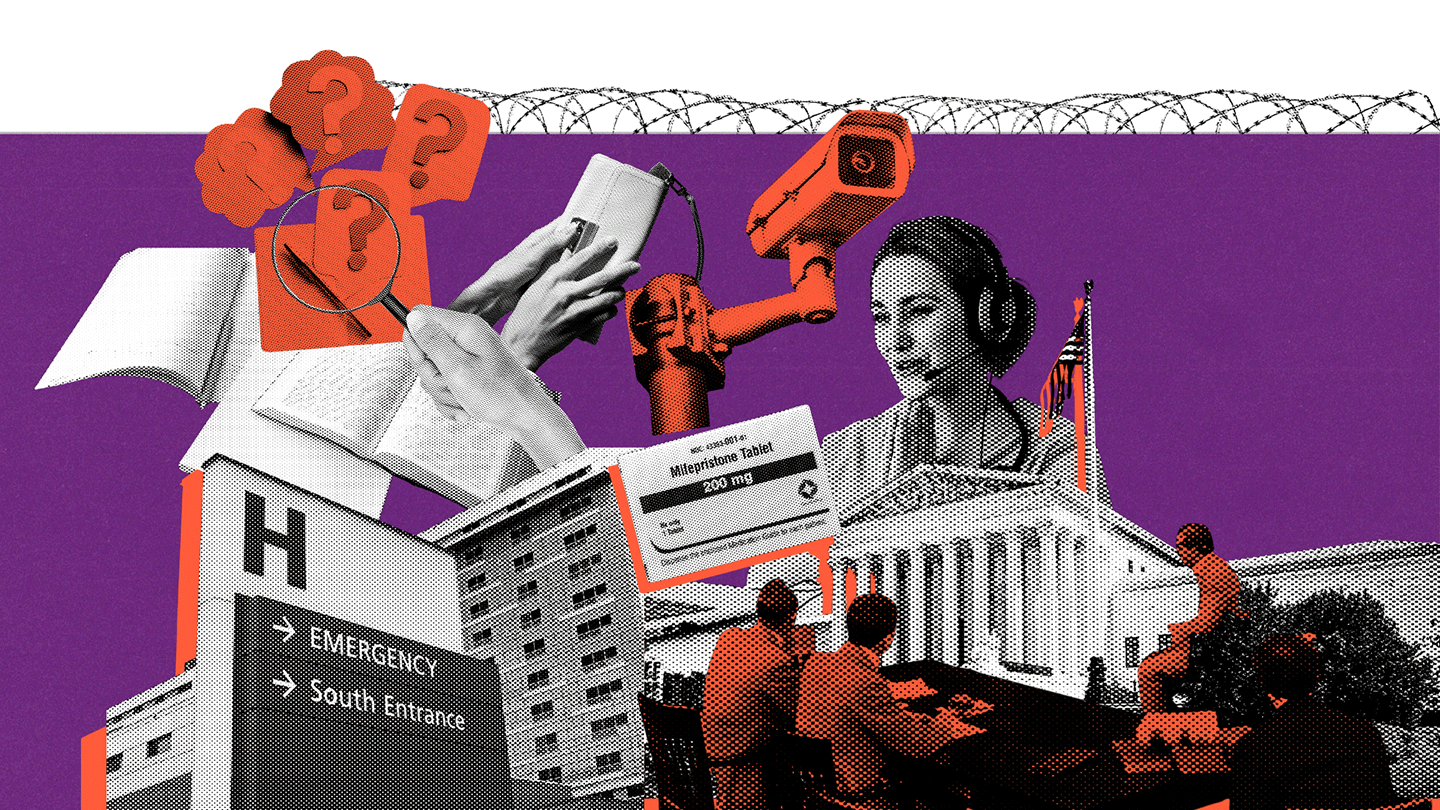
Ensuring abortion remains legal is only the first step. For millions of people, getting abortion care depends on overcoming a series of practical and financial barriers.
Reproductive Freedom for All is made up of members across the country who believe that everybody should be free to control their own bodies and lives—and we want you to be a part of it.
Many people assume that if abortion is legal, anyone who needs one can get one.
The reality is much more complicated.
That means ensuring things like having a provider within reach, being able to afford the cost, accessing accurate information, and receiving care without medically unnecessary barriers, political restrictions, or fear of criminalization.
When any one of those pieces is missing, legal access doesn’t always translate into real access.
A legal right is the starting point—but it's only one part of access.


Ensuring abortion remains legal is only the first step. For millions of people, getting abortion care depends on overcoming a series of practical and financial barriers.

Abortion care can cost hundreds or even thousands of dollars, especially when travel, lodging, childcare, and lost wages are added. For over 40% of abortion patients, those expenses can be financially devastating.
Even if someone has health insurance, abortion may not be covered. Most people pay entirely out of pocket because many insurance plans don’t cover abortion. One major reason is the Hyde Amendment, which has blocked federal Medicaid funds from covering abortion in most cases for more than 50 years.
States across the country have similar bans on using state Medicaid funds to cover abortion, and some states go even further, banning private insurance from covering abortion.
More recently, Republicans have also targeted Medicaid funding and Planned Parenthood—further weakening the reproductive health care system that millions rely on.
Even when abortion is legal, accessing care may require traveling hundreds of miles. Today, one in five abortion patients travel out of state for care—that's twice the rate it was before Roe was overturned. In some parts of the South, patients travel as far as 700 miles.
For many people, accessing care now means arranging transportation, taking time off work, finding childcare, and paying for lodging before they can even see a provider.
Abortion bans and political attacks on reproductive health care have forced clinics to close, driven OB-GYNs and other providers out of states with abortion bans, and made it harder for hospitals and health systems to recruit and retain reproductive health providers.
As providers leave and hospitals close, entire communities are becoming reproductive health care deserts. That doesn’t just affect abortion care—it also means fewer options for birth control, prenatal care, miscarriage management, and maternal health care.
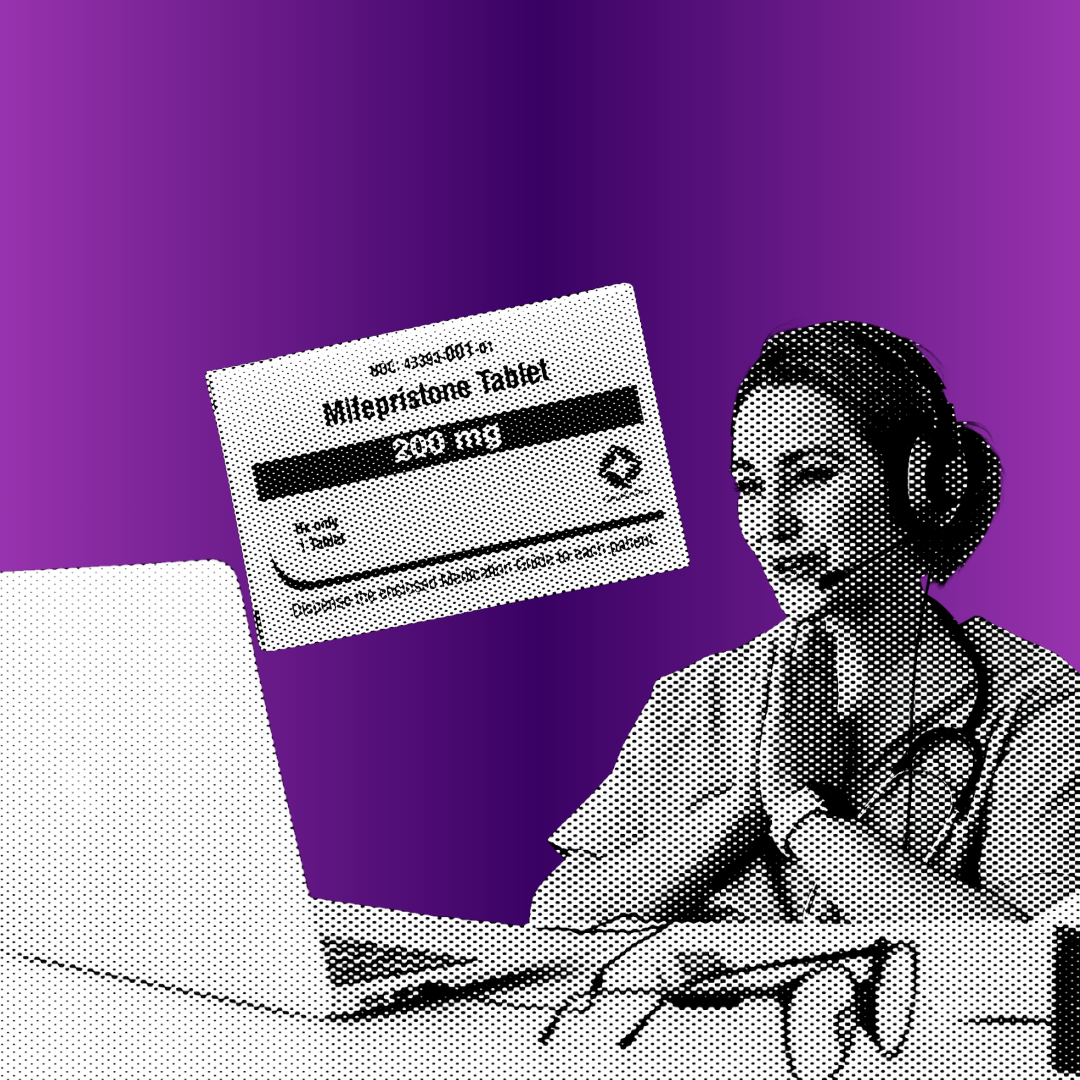
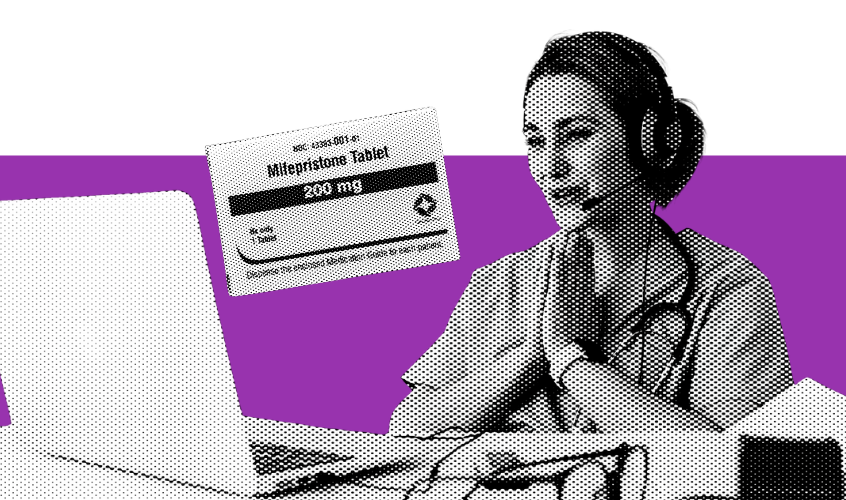
Medication abortion now accounts for the majority of abortions in the United States, making it a major target of anti-abortion attacks. Several states have expanded access, mostly through telehealth.
Despite mifepristone’s decades-long record as a safe and effective abortion pill, anti-abortion extremists have attacked it from every angle.
Attacks on telehealth and mifepristone are part of a broad strategy to restrict abortion access nationwide. Working in lock-step with Republican lawmakers, anti-abortion judges, and Trump administration officials, these groups have pursued bogus lawsuits, legislation, sham studies, and other underhanded tactics to undermine medication abortion access across the country.

Getting reliable information shouldn't be another obstacle. Some state laws make it difficult for patients to understand their rights and options, or create medically unnecessary barriers to care.
At the same time, many people encounter misleading organizations, anti-abortion centers which use disinformation to prevent people from accessing abortion care.
One well-known tactic used by anti-abortion centers is exaggerating how far along someone is in their pregnancy.
By intentionally misleading pregnant people to believe they are beyond the gestational limits of their local or neighboring states’ abortion bans, they can cause delays in accessing legal abortion care.
In some states, patients, providers, and people who help others access abortion care face growing legal uncertainty.
Fear alone can become a barrier. Criminalization, surveillance, bounty-hunter style civil lawsuits, intimidation, or fear of prosecution can discourage people from providing, seeking, or helping others access care even in places where abortion remains legal.
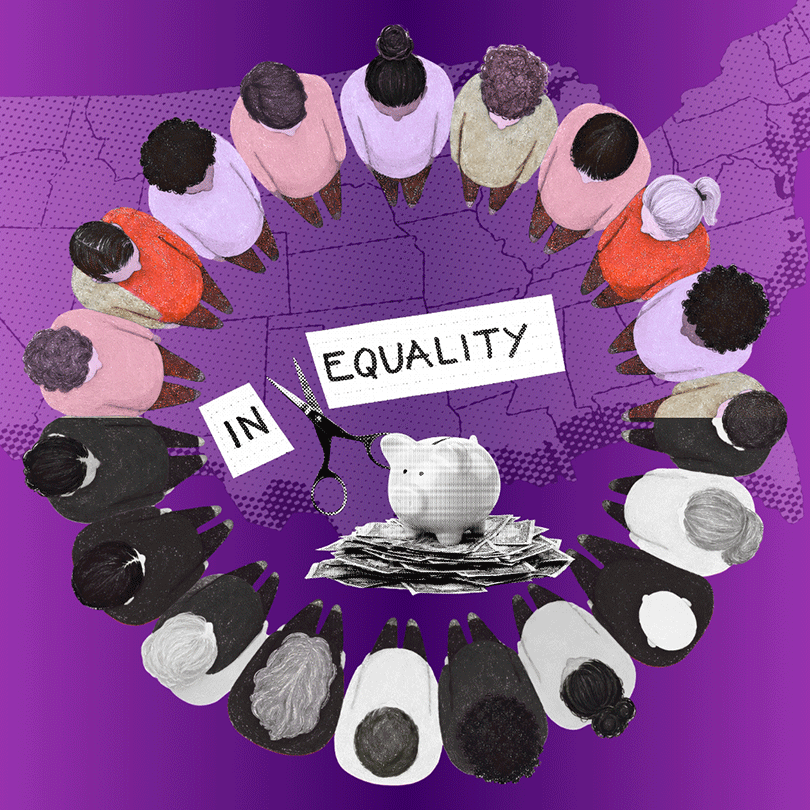
The barriers to abortion have never affected everyone equally.
Even before Dobbs, many people struggled to access abortion because of cost, distance, immigration status, disability, homophobia, transphobia, racism, age, or limited health care options.
Today, abortion bans and political attacks have made those inequities even worse, especially for:
The legal right to abortion means little if people can’t actually access care.
When people are forced to delay care, travel across state lines, pay thousands of dollars out of pocket, or continue pregnancies because they cannot overcome these barriers, abortion rights exist on paper, but not in practice.
That’s why the fight for abortion access is about more than changing laws. It’s about making sure everyone can get the care they need, regardless of where they live, how much money they make, or who they are.
Reproductive freedom is about bodily autonomy and the freedom for everybody to make decisions about their body, life, and future. Together, we can build a future where everyone can access the care they need.
It's going to take all of us to win back our freedom. Add your name today to commit to fighting for reproductive freedom.
It will take all of us doing everything we can to build the future we want. Will you join the fight for reproductive freedom and become a volunteer today?
Abortion is health care. Abortion is freedom. Share these resources with others to protect yourself and your community.
Explainers What's New at Repro for All
Explainers Activism 101
Explainers Reproductive Rights